Browse

Log in / Register
 Share

Selling a vacant home typically results in a lower sale price and a longer time on the market compared to an occupied property. According to an analysis of 2018 home sales, vacant homes sold for an average of $11,306 less and spent six more days on the market than comparable occupied homes. The discount varies significantly by location, with the largest price differences occurring in more affordable inland metro areas.
A vacant home is a property that is not occupied by the seller or a tenant at the time of the sale. The analysis suggests two primary reasons for the discount. First, a vacant property signals to potential buyers that the seller has already moved out, which can reduce their sense of urgency. As one chief economist noted, this often leads buyers to believe "they can take their time making an offer."
Second, sellers who can afford to leave a property empty may be in a more comfortable financial position. This can translate to less motivation to get the highest possible price compared to a seller who needs the equity from their current home to purchase their next one.
The price reduction for a vacant home is not uniform across the United States. The discount is most pronounced in relatively affordable markets.
| Metro Area | Discount for Vacant Homes | Average Price Difference |
|---|---|---|
| Omaha, NE & Greenville, SC | 7.2% | ~$15,000 |
| El Paso, TX | 6.6% | ~$10,000 |
| Orange County, CA | 2.3% | Varies |
| Las Vegas, NV | 1.5% | Varies |
| San Jose, CA | 0.9% | ~$11,000 |
In high-cost areas like San Jose, the percentage discount is smaller, but the dollar amount can still be significant. However, an $11,000 reduction on a million-dollar home is often less impactful than a $10,000 reduction on a $160,000 home.
In most cases, yes. Vacant homes spent more time on the market in nearly every metro area studied. Greenville, South Carolina, saw the largest gap, with vacant homes taking 14.3 more days to sell than occupied ones.
A notable exception was the ultra-competitive San Jose market in 2018, where vacant homes sold slightly faster. The 24/7 accessibility of a vacant home can be a critical advantage in a market where buyers must act quickly to beat competition.
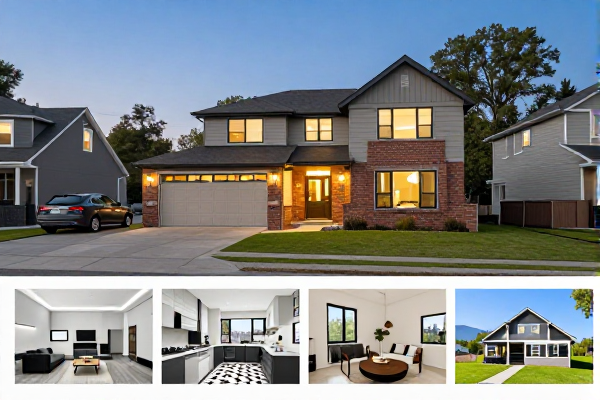
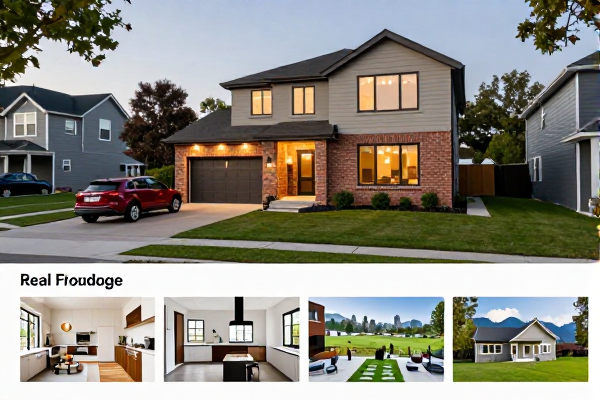
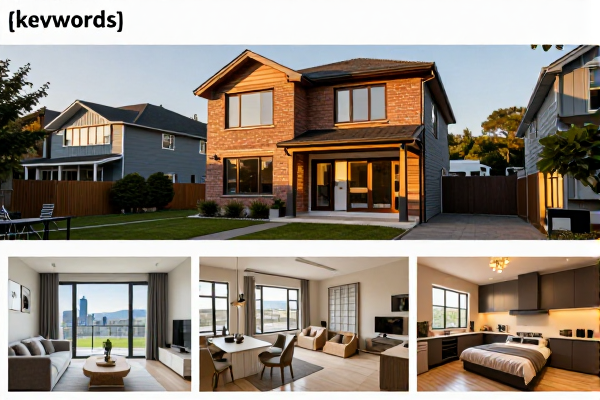
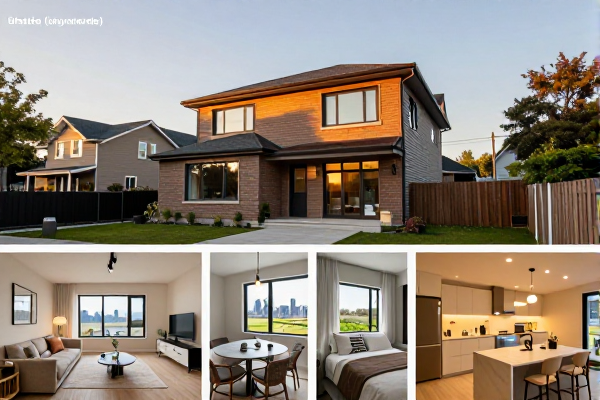
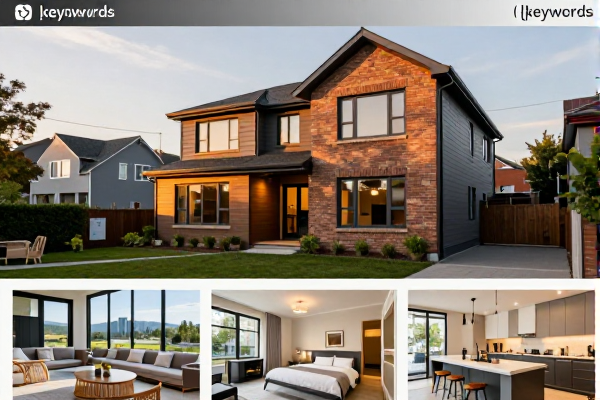
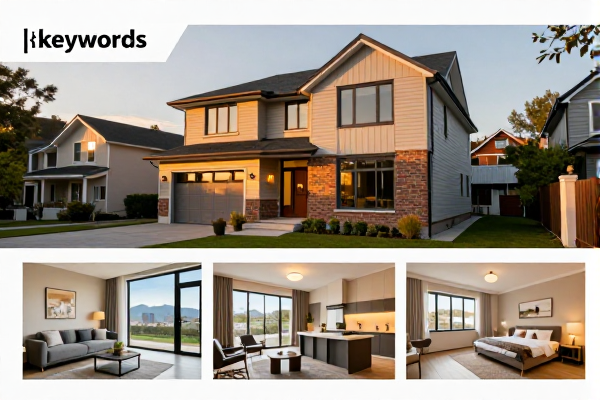
Staging—the process of furnishing and decorating a home for sale—can help a vacant property make a better impression. For homes with open floor plans or unusual layouts, staging helps buyers visualize the space's potential. While professional physical staging can cost several thousand dollars, virtual staging has emerged as a cost-effective alternative.
Virtual staging uses digital technology to add furniture and décor to listing photos. Based on our experience assessment, this can be a powerful tool for showcasing a home’s full potential to today's tech-savvy buyers without the cost and hassle of moving physical furniture.
Deciding whether to sell your home vacant or occupied is a significant choice. While an occupied, well-decorated home can create an emotional connection, dated or cluttered furnishings may have the opposite effect. For sellers with a vacant property, consider these points: