Browse

Log in / Register
 Share
Share
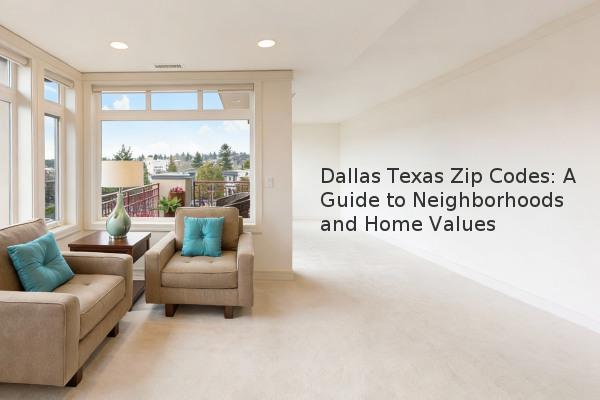
Understanding the zip codes of Dallas, Texas, is a fundamental step for anyone navigating the local real estate market. Each zip code represents a unique cluster of neighborhoods with distinct characteristics, property types, and price points. This guide provides an overview of key Dallas zip codes, their associated neighborhoods, and current market trends to help you make an informed decision. Whether you are buying, selling, or renting, knowing the zip code dynamics can significantly streamline your search and align your expectations with reality.
A zip code is a postal code used by the United States Postal Service to efficiently route mail. In real estate, however, a zip code transcends its administrative function; it becomes a key indicator of location, school districts, community amenities, and overall property value. For instance, homes within the same zip code often share similar market trends and property tax rates. When searching for a property, filtering by zip code allows you to narrow down options to areas that match your lifestyle and budget. It's the first filter applied in most online real estate searches, making it a critical piece of data for both buyers and sellers.
Dallas features a diverse array of zip codes, each with its own identity. The following table provides a snapshot of a few prominent areas based on recent market data:
| Zip Code | Representative Neighborhoods | Median Home Value (Est.) | Notable Characteristics |
|---|---|---|---|
| 75205 | Highland Park, University Park | $1,800,000+ | Affluent, top-rated schools, historic estates |
| 75225 | Bluffview, Preston Hollow | $1,200,000+ | Large lots, luxury homes, proximity to parks |
| 75204 | Oak Lawn, Uptown | $600,000 | Urban core, condos, vibrant nightlife |
| 75214 | Lower Greenville | $550,000 | Trendy, bungalows, popular restaurant scene |
| 75217 | Pleasant Grove | $250,000 | Affordable, single-family homes, value-oriented |
Note: Median home values are estimates and can fluctuate. Always consult a current market analysis for precise pricing.
75205, encompassing the incorporated cities of Highland Park and University Park, is known for its exceptional school districts and high property values. In contrast, 75204 offers a more urban lifestyle with a high concentration of condominiums and apartments, appealing to young professionals. The variation in home values, such as the more accessible entry point in 75217, highlights the importance of defining your budget and priorities by zip code early in your search.
Your zip code directly impacts ongoing homeownership costs, primarily property tax and insurance premiums. Property tax is an ad valorem tax levied by local governments based on the assessed value of your real estate. These rates can vary between the different municipalities and counties that Dallas zip codes span. For example, a home in zip code 75205 (part of which falls within Dallas County) may have a different effective tax rate than a home in a zip code entirely within the city of Dallas. Similarly, insurance companies use zip code data to assess risk factors like proximity to fire departments and historical claim data, which influences your annual homeowners insurance premium.
When beginning your search, use zip codes as a primary tool for efficiency. Identify two or three zip codes that align with your desired lifestyle, commute, and school needs. From there, you can drill down into specific neighborhoods and even streets. For online portals, entering a zip code will yield the most relevant listings. It is also advisable to visit these areas at different times of the day to get a genuine feel for the community. Driving through your target zip codes on a weekday evening and a weekend afternoon can reveal much about traffic patterns, noise levels, and neighborhood activity.
Ultimately, selecting the right Dallas zip code is a balance of budget, lifestyle, and long-term goals. The market data provides a starting point, but personal verification is irreplaceable. Focus on zip codes that offer the amenities you value most, consult recent sales data to understand value trends, and always factor in the total cost of ownership, including taxes and insurance. This strategic approach will position you to make a confident real estate decision in the dynamic Dallas market.