Browse

Log in / Register
 Share

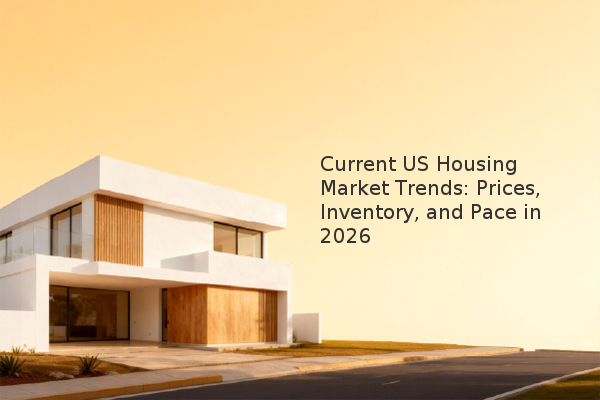
Based on our experience assessment, the US housing market in 2026 continues to favor sellers, characterized by sustained price growth and a significant shortage of available homes. Key indicators show median listing prices maintaining a steady upward trajectory, while the total number of homes for sale remains substantially lower than typical levels. This combination results in a fast-paced market where properties sell significantly quicker than in previous years. For buyers, this means preparation and speed are essential; for sellers, it underscores a continued opportunity, provided they price their homes competitively.
The median listing price, which is the middle point of all homes listed for sale in a given period, continues to show robust annual growth. This trend is primarily driven by a fundamental economic principle: high demand meeting limited supply. A greater than usual number of motivated buyers are actively searching for a limited pool of available properties. This persistent imbalance applies upward pressure on prices. While the rate of growth may fluctuate, the underlying strength of buyer demand, even in a higher mortgage rate environment, suggests that significant price corrections are not immediately anticipated. Sustained buyer demand against low inventory is the core driver of price appreciation.
The critical shortage of housing inventory, meaning the total number of homes actively listed for sale, is a central feature of the current market. This shortage has two main components. First, the flow of new listings—homes newly put on the market—has been inconsistent. Potential sellers may be hesitant due to concerns about finding their own next home in a competitive market, a phenomenon often called the "lock-in effect." Second, because homes are selling quickly, the total inventory does not have time to replenish. Essentially, homes are being purchased almost as fast as they are listed. The combination of fewer new sellers and rapid sales depletes overall inventory levels.
The pace of the market is measured by the median days on market, which tracks how long it takes for a typical listed home to go under contract. Currently, homes are selling much faster than historical averages. This accelerated timeline means that well-priced, desirable properties often receive multiple offers within days of listing. For prospective buyers, this necessitates having financing pre-approvals in order and being prepared to make decisions quickly. A slowing in this metric would be one of the first indicators of a market shift towards more balanced conditions, but as of now, speed remains a defining characteristic of the 2026 housing landscape.
Understanding these trends is crucial for making informed decisions. For buyers, the environment requires a strategic approach. Getting pre-approved for a mortgage is not just helpful—it's essential to compete effectively. Buyers should be prepared to act swiftly on homes that meet their criteria. For sellers, the market conditions present an advantage, but proper preparation and realistic pricing are key to attracting serious offers. Overpricing a home can lead to it stagnating, even in a seller's market. Both parties should monitor local market data closely, as national trends can vary significantly by state and metropolitan area.
The 2026 housing market remains dynamic and competitive. While the overarching trends point to continued seller advantage, the key for any market participant is to stay informed with the most current local data and to work with experienced real estate professionals who can provide guidance tailored to specific goals and circumstances.