Browse

Log in / Register
 Share

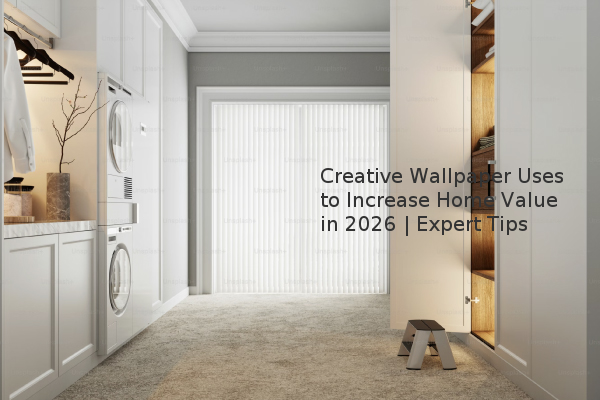
Strategically applying wallpaper in unexpected areas is a cost-effective method to enhance your home's aesthetic appeal and perceived value. Based on our experience assessment, these targeted applications can modernize a space without the expense of full-wall coverage. By focusing on accent areas like ceilings, cabinet interiors, and stair risers, homeowners can achieve a high-impact visual upgrade. The key is selecting durable, on-trend patterns for specific, low-traffic surfaces to avoid overwhelming a room while maximizing return on investment for potential future sales.
Applying wallpaper to the ceiling, often called the "fifth wall," creates a dramatic focal point without dominating the room. A light-colored or subtle pattern can add depth and interest, making the ceiling appear higher. However, using dark or busy patterns can have the opposite effect, making the space feel smaller. This approach is particularly effective in bedrooms and dining rooms where the upward gaze is natural. Papering the ceiling is a bold design choice that can significantly elevate a room's character.
Lining the back wall of a pantry, linen closet, or built-in cabinetry with a light, reflective wallpaper can instantly brighten and organize the space. A striped or geometric pattern can create a sense of order, making items easier to locate. This application uses a minimal amount of material but delivers a disproportionate positive effect, turning a purely utilitarian area into a pleasant surprise. Transforming functional storage spaces enhances the overall luxury feel of a home.
Absolutely. Wallpaper can effectively mimic architectural details where they are lacking. For instance, a panel of wallpaper cut in the shape of a headboard can define a sleeping area without a physical bed frame. Similarly, framing a large piece of wallpaper or a mirror with a wallpaper border creates a custom art piece. This technique is an affordable alternative to costly built-ins and allows for easy updates when design preferences change.
With the advent of durable, wipe-clean vinyl materials, wallpaper can be applied in more demanding locations. Covering stair risers or the surround of a non-working fireplace adds unique character and is easier to maintain than painted surfaces that show scuff marks. For exterior applications on covered porches or loggias, it is critical to use products specifically rated for outdoor use to withstand humidity and temperature fluctuations. Using the correct material type for the location is essential for longevity.
To successfully incorporate wallpaper in 2026, focus on these actionable steps: