Browse

Log in / Register
 Share
Share

Craftsman style homes, a quintessential American architectural design, are characterized by their handcrafted quality, natural materials, and emphasis on simplicity and function. For homebuyers, the primary appeal lies in their durable construction, timeless aesthetic, and efficient use of space. This article provides an objective overview of the defining characteristics, advantages, disadvantages, and key considerations for purchasing this popular home style.
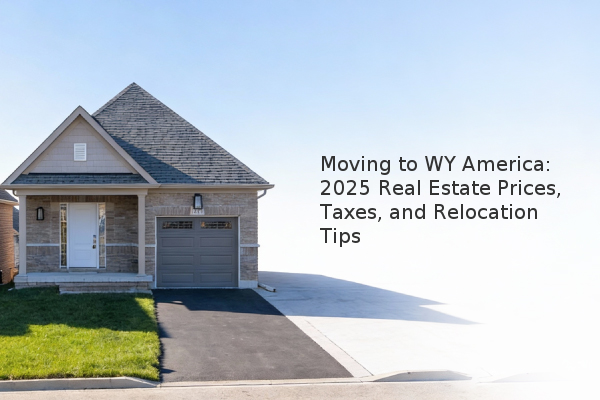
Originating from the American Arts and Crafts movement of the early 20th century, Craftsman homes were a reaction against the mass-produced, ornate Victorian style. They are easily identifiable by several key features. A low-pitched roof with wide, overhanging eaves is a hallmark, often supported by exposed triangular brackets, or kneebraces. Most iconic is the covered front porch, typically supported by thick, tapered columns resting on heavy stone or brick piers. The exterior commonly features a mix of materials like wood shingles, lap siding, and stone or brick accents.
Interior spaces are designed to feel warm and welcoming, with an open floor plan that often centers around a prominent fireplace made of brick or stone. Built-in cabinetry, such as bookshelves, window seats, and buffets, maximizes space and adds to the handcrafted feel. Interior woodwork is typically stained rather than painted, showcasing the natural grain of woods like oak or maple. Windows are often double-hung and feature a distinctive pattern, such as a single large pane at the bottom with smaller panes, or lights, above.
| Common Craftsman Home Features | Description |
|---|---|
| Roof | Low-pitched gable roof with wide, unenclosed eaves |
| Porch | Full or partial-width covered porch with tapered columns |
| Exterior | Mixed materials (wood, stone, brick); deep, earthy colors |
| Windows | Double-hung with divided lights in the upper sash |
| Interior | Open floor plan, built-in furniture, prominent fireplace |
Like any architectural style, owning a Craftsman home comes with a unique set of benefits and potential drawbacks based on our experience assessment. A significant advantage is the quality of construction. Many older Craftsman homes were built with old-growth timber and superior craftsmanship, resulting in a durable and long-lasting structure. The efficient, open floor plans are well-suited to modern living, promoting a natural flow between common areas.
However, potential challenges exist. As many of these homes are over 80 years old, they may require more maintenance and updates. Buyers should be prepared for potential issues with outdated plumbing, electrical systems, or the need for new insulation. The numerous windows and extensive woodwork can also mean higher maintenance costs for painting, staining, and repair. Furthermore, the historical nature of the home may limit significant, non-conforming renovations, especially if the property is located within a designated historic district.
When considering a purchase, a thorough inspection is paramount. Focus your evaluation on the core elements that define the home's integrity and value. The roof is a critical component; due to its low pitch, ensure there is no evidence of water pooling or damage to the eaves and fascia. Carefully inspect the foundation for any significant cracks or signs of settling, which can be common in older homes.
Pay close attention to the condition of the windows and woodwork. Original, solid wood windows can be a great feature but may require restoration. Check the operation of all windows and doors, as settling can cause them to stick. Inquire about the age and condition of major systems, including the HVAC, water heater, and wiring. An older home may still have knob-and-tube wiring, which can be a liability and may need to be replaced by a qualified electrician to meet modern insurance standards.
To make an informed decision, prioritize a specialized home inspection, budget for potential maintenance beyond the purchase price, and verify if any historical preservation guidelines apply to the property. Understanding both the charm and the responsibilities of a Craftsman home ensures your investment is sound and your enjoyment is long-lasting. Their enduring popularity is a testament to a design that successfully blends artistry with everyday living.