Browse

Log in / Register
 Share

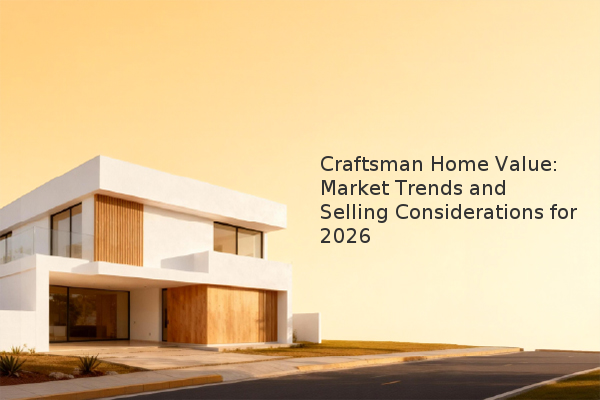
Craftsman homes continue to command a significant premium in the 2026 U.S. real estate market. The unique combination of timeless design, historical charm, and quality construction makes these properties highly desirable. For homeowners considering a sale, current conditions present a strong opportunity. This analysis outlines the key factors driving this demand and offers practical guidance for leveraging your home's appeal.
The enduring popularity of Craftsman homes is rooted in their distinctive architectural style, which emerged from the American Arts and Crafts movement. Key features include low-pitched gabled roofs, wide eaves with exposed rafters, and covered front porches supported by tapered columns. Interiors often showcase handcrafted woodwork, built-in cabinetry, and the use of natural materials like stone and wood. This authenticity provides a sense of character and quality that is difficult to replicate in new construction. The architectural integrity of a Craftsman home is a primary driver of its market value, appealing to buyers seeking a home with a unique soul and historical significance.
Market data indicates that Craftsman homes consistently sell for a premium compared to the national median for existing homes. Based on our experience assessment, this premium can be substantial, attributed to their scarcity and high buyer demand. The appreciation of these properties is supported by a market that values craftsmanship over uniformity. When preparing to sell, obtaining a competitive market analysis (CMA) from a real estate professional is a critical first step. A CMA evaluates recent sales of comparable properties (comps) in your area to determine a realistic listing price, ensuring you capitalize on the market trend without overpricing.
Not all improvements yield the same return on investment. For a Craftsman home, the goal is to enhance its original character, not obscure it. Focus on preserving and restoring key historical elements like original hardwood floors, windows, and built-ins. Modernizations should be sensitive; for example, updating kitchens and bathrooms with period-appropriate fixtures improves functionality while maintaining aesthetic integrity. Avoid overly trendy renovations that clash with the home's style. Investing in essential systems, such as HVAC, plumbing, and electrical, is also crucial, as these assurances can significantly increase buyer confidence and justify a higher asking price.
Selling a Craftsman home involves a series of strategic steps. After establishing a price through a CMA, the next phase is marketing. High-quality photography and videography that highlight the home's unique architectural details are essential for attracting the right buyers. Pricing your home correctly from the start is more effective than price reductions later. The transaction process involves offers, negotiations, and inspections. It is important to be prepared for a more detailed inspection, as buyers of older homes may be particularly attentive to the condition of the structure and major systems. A pre-listing inspection can help identify and address potential issues proactively.
Selling a Craftsman home in 2026 requires a strategy that honors its history while appealing to modern buyers. Emphasize the property's authentic charm in all marketing materials. Ensure all necessary disclosures are handled transparently to build trust. By understanding the unique value proposition of your home and pricing it strategically, you can navigate the sale process effectively. The strong market demand suggests that well-maintained Craftsman homes will continue to be sought-after assets.