Browse

Log in / Register
 Share
Share

Cottage row homes represent a unique and charming segment of the US housing market, often characterized by their historic architecture, community feel, and relative affordability compared to single-family detached houses. These properties, typically found in older, established neighborhoods, offer a distinct lifestyle but come with specific considerations for potential buyers. This guide provides an objective overview of what defines a cottage row home, its pros and cons, and essential factors to evaluate before purchasing.
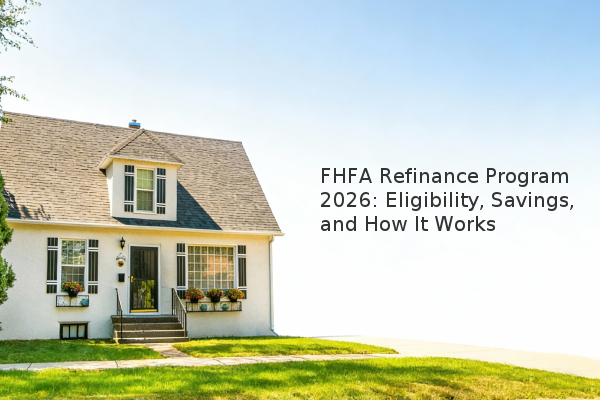
A cottage row home is a style of residential architecture where individual, small-scale homes are attached side-by-side in a continuous row, sharing walls with their neighbors. Unlike townhouses, which can be larger and multi-storied, cottage rows are usually one to one-and-a-half stories high and emphasize a cozy, "cottage-like" aesthetic. They often feature front porches, gabled roofs, and unique historical details. A critical aspect of owning such a property is understanding the Homeowners Association (HOA), a governing body that sets rules and manages shared expenses for the row. It is crucial to review the HOA's covenants, conditions, and restrictions (CC&Rs) before committing to a purchase.
The appeal of these homes frequently lies in their location within walkable neighborhoods, often close to urban centers. However, the shared-wall structure necessitates a clear understanding of maintenance responsibilities. Based on our experience assessment, repairs to shared elements like roofs or foundations are typically managed and paid for collectively through the HOA, while interior maintenance is the owner's responsibility. Requesting the HOA's financial reserves and meeting minutes can provide insight into the community's health and upcoming special assessments.
The primary advantages of cottage row living often center on affordability and community. These properties generally have a lower purchase price per square foot than detached single-family homes in the same area, making homeownership accessible to a broader range of buyers. The compact size can also lead to lower utility costs and less time spent on maintenance, such as yard work. Furthermore, the close proximity of neighbors and shared common areas can foster a strong sense of community, which is a significant draw for many.
From an investment perspective, cottage rows in well-maintained historic districts can hold their value exceptionally well. Their unique character and limited supply in certain markets can make them desirable to a niche group of buyers. The following table illustrates a simplified comparison of common annual costs, though these figures can vary significantly by location and HOA.
| Expense Category | Typical Cottage Row (with HOA) | Detached Single-Family Home |
|---|---|---|
| Exterior Maintenance | Often covered by HOA fees | Owner responsibility |
| Property Insurance | Interior-only policy may suffice | Full structure policy required |
| Landscaping (Common Areas) | Covered by HOA fees | Owner responsibility |
Prospective buyers must carefully consider the potential drawbacks. The most significant factor is the HOA. Monthly HOA fees are mandatory and can increase over time. A poorly managed HOA with inadequate financial reserves can lead to unexpected special assessments for major repairs, costing owners thousands of dollars. It is essential to review the HOA's reserve study to assess its financial preparedness.
Privacy and noise can also be concerns. Shared walls mean you may hear your neighbors more than you would in a detached home. The level of sound transmission depends heavily on the original construction quality and any subsequent soundproofing. Additionally, HOA rules may restrict your ability to modify your home's exterior, paint your front door a different color, or even rent out the property. These restrictions are in place to maintain uniformity and protect property values but can be limiting for some owners.
Before making an offer on a cottage row home, due diligence is paramount. First, secure a specialized home inspection that pays close attention to the condition of the shared roof, foundation, and walls. An inspector familiar with row house construction can identify issues that might become collective expenses. Second, thoroughly read all HOA documents, including the budget, bylaws, and meeting minutes from the past year. Look for signs of ongoing disputes or deferred maintenance.
Finally, consider your long-term lifestyle needs. Are you comfortable with shared governance and potential rules? Is the community's vibe a good fit? Speak with current residents to get an unfiltered perspective on living there. Understanding the complete financial and lifestyle picture is the key to a successful purchase.
In summary, cottage row homes offer a unique blend of historic charm and community-oriented living. The key to a successful purchase lies in conducting thorough due diligence on the HOA's financial health, understanding the rules and restrictions, and securing a specialized inspection to anticipate future shared costs. By focusing on these verifiable factors, buyers can make a rational and well-informed decision.