Browse

Log in / Register
 Share

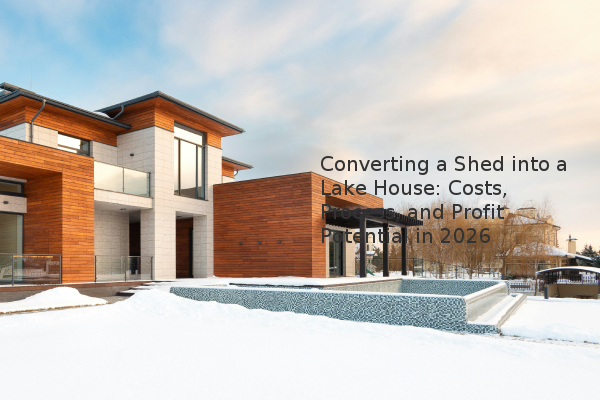
Converting a prefabricated shed into a full-time residence, often called a "shome," can be a creative path to homeownership, but it requires significant investment and expertise. Based on a documented case, a couple spent approximately $170,000 on renovations beyond the $27,000 shell cost and sold the completed 1,296-square-foot lakefront property for $460,000. However, this process involves navigating building codes, securing professional help for critical systems, and understanding potential appraisal challenges.
The total investment is substantially more than the cost of the shed itself. In the featured project, the initial shell was $27,000. The major expenses came from the interior conversion, which totaled around $170,000. This budget covered essential professional services, including:
The property already had a well and a septic tank (an underground wastewater treatment system for properties not connected to municipal sewer lines), which saved on initial costs. Budgeting for unforeseen issues is critical, as projects often encounter unexpected expenses.
Success hinges on a clear vision and knowing when to hire professionals. The couple, who had experience renovating homes but no formal construction training, managed the project themselves. They acted as their own general contractors, which involved:
A key takeaway is that while DIY can save money, critical structural and system work must be done by licensed professionals to ensure safety and meet building code requirements.
Converting a shed into a legal dwelling presents unique hurdles that can impact the final value. The primary challenge in this case was the appraisal and official classification of the home. Despite having two bedrooms, the property could only be officially listed as a one-bedroom due to the capacity limits of the existing "one-bedroom septic" system. This discrepancy likely negatively affected the final appraisal value. Lakefront location and high-quality finishes helped the property sell over the asking price, but the owners believed the septic issue cost them significant potential profit.
The profit potential can be significant, but it carries risk. The initial investment of roughly $197,000 resulted in a sale price of $460,000, demonstrating a strong return. The subsequent sale by the buyer in March 2025 for $505,000 further indicates the property held its value. However, success depends on several factors:
This project is best approached by individuals with some renovation experience and a clear understanding of local real estate markets. It is not a guaranteed profit scheme but a complex construction project.
If you are considering a similar project, based on our experience assessment, follow these steps:
Converting a shed into a home is a major undertaking that requires careful planning, a realistic budget, and professional guidance. While the financial upside can be attractive, the process is best suited for those prepared to manage a complex, hands-on project.