Browse

Log in / Register
 Share
Share
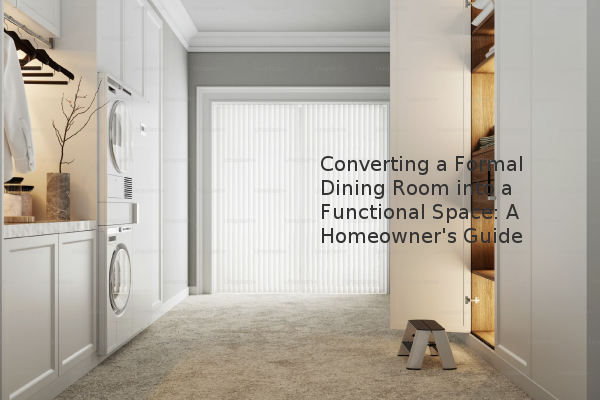
For many homeowners, a formal dining room is an underutilized space. Transforming it into a functional area that suits your lifestyle can significantly enhance your enjoyment of your home. Based on a real-world example from Houston, Texas, this guide explores the key considerations, from initial design inspiration to navigating contractor challenges, for successfully converting a dining room into a personalized retreat, such as a "sipping room."
What Are the First Steps in Planning a Dining Room Conversion?
The initial phase involves defining the room's purpose and establishing a realistic budget. For the homeowners, who had only used their dining room for annual holidays, the goal was to create a comfortable area for relaxing and entertaining. They prioritized functionality, specifically wanting built-in cabinetry for a dry bar—a dedicated area for preparing drinks without a permanent water source—and ample storage for glassware. Before contacting professionals, they assessed their savings. As empty nesters, they had allocated funds for a broader whole-house update. This financial planning upfront is crucial for determining the project's scope.
How Do You Approach Design and Work with Interior Designers?
Collaborating with experienced interior designers can streamline the process. The homeowners enlisted professionals who proposed a "modern classic" aesthetic. Effective communication is vital. Instead of using platforms like Pinterest, the homeowner shared a friend's completed project as a reference point. Key design decisions included opting for four swivel chairs instead of a bulky sofa to maintain an open flow and moving away from a beige-and-gray color scheme. A high-quality Tufenkian rug established the new room's teal color palette, demonstrating how a significant initial purchase can guide the entire design.
What Practical Considerations Are involved in Custom cabinetry?
Custom built-ins require precise planning. The designers provided technical drawings for a local carpenter. A critical step was measuring the homeowners' liquor bottles to ensure the drawers' depth would allow them to read labels without removal. This attention to detail ultimately enhanced the cabinet's functionality. However, the project faced a common hurdle: the initial build was not symmetrical. The carpenter resolved this by adding an unplanned shelf, which balanced the piece. This experience underscores the importance of contingency planning for both time and budget when dealing with custom work.
What Were the Key Takeaways and Unexpected Costs?
The renovation revealed that smaller appliances can be disproportionately expensive. The homeowners intended to install a mini-fridge but discovered that units under 20 inches deep cost around $2,500, leading them to abandon that idea. The most rewarding outcome was the room's newfound use and comfort. The inviting chairs and functional layout encouraged daily use, something the formal dining setup never achieved.
Converting an underused dining room into a personalized space is a valuable investment in your home's functionality. The process involves clear goal-setting, realistic budgeting, and flexibility when challenges arise. Working with reputable professionals and focusing on practical details, like custom storage dimensions, ensures the final result meets your needs and enhances your daily life.