Browse

Log in / Register
 Share

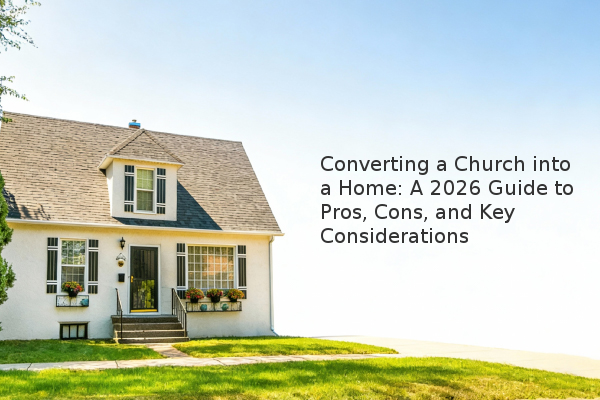
Converting a non-residential property like a church into a single-family home can result in a truly unique living space, characterized by architectural grandeur and historical charm. However, this type of adaptive reuse project—a term for repurposing old buildings for new uses—comes with a distinct set of challenges, from complex zoning laws to potentially high renovation costs. Based on our experience assessment, a successful conversion hinges on thorough inspections, realistic budgeting, and a clear understanding of the structural and legal hurdles involved. This guide outlines the critical factors to consider before purchasing a property like a converted chapel.
The primary appeal is undeniable architectural character. These properties often feature elements that are expensive or impossible to replicate in new construction, such as soaring ceilings, stained-glass windows, and intricate woodwork. For creative professionals or those seeking a one-of-a-kind home, this environment can be highly inspiring. Furthermore, these homes are often situated on generous lots in established neighborhoods, providing a sense of space and history. From an investment perspective, a well-executed conversion can hold significant value due to its uniqueness, with some market analyses suggesting converted properties can attract a premium of 10-15% over standard homes in the same area, depending on the quality of the renovation.
The challenges begin with the building's existing structure. Zoning and permitting are the first major hurdles; you will likely need special approvals from the local municipality to change the property's use from commercial or religious to residential. Renovation costs can be substantial. Systems like plumbing, electrical, and HVAC (Heating, Ventilation, and Air Conditioning) must be entirely redesigned for residential living, which can be far more complex than in a standard house. Issues like inadequate insulation in large, open spaces can lead to high utility bills. It is crucial to get a specialized inspection to identify potential problems with the foundation, roof, and structural integrity before making an offer. Budgeting an extra 20-30% over initial estimates for unforeseen issues is a prudent strategy.
The key is a balanced approach that respects the building's history while ensuring it functions for modern life. A successful strategy involves creating defined living areas within the open floor plan without compromising the sense of space. For example, building mezzanine levels or using furniture to delineate zones can be effective. When updating kitchens and bathrooms, choose fixtures and finishes that complement the original style—a classic farmhouse sink or subway tile might work better than ultra-modern alternatives. Incorporating original features, such as restoring pews as seating or preserving altar areas as focal points, maintains the property's soul. The goal is to blend old and new harmoniously, allowing the original charm to shine through while ensuring day-to-day comfort.
The investment potential is highly dependent on the quality of the conversion and the local real estate market. A poorly executed renovation can be a financial liability, while a sensitive, high-quality conversion can become a sought-after landmark. These properties often appeal to a niche market, which can mean a longer selling time but also the potential for a higher final sale price from the right buyer. It is less of a liquid asset than a traditional single-family home. Before purchasing, research comparable sales of similar unique properties in your region. Consult with a real estate agent experienced with unusual properties to get a realistic understanding of its market value and resale potential.
Purchasing a converted church is not for everyone, but for the right buyer, it can be a rewarding experience. The most critical steps are conducting exhaustive due diligence on the property's condition and legal status, securing financing tailored for unique properties, and working with architects and contractors who have specific experience with historic renovations. By understanding both the immense appeal and the significant responsibilities, you can make an informed decision about whether this type of distinctive home aligns with your lifestyle and budget.