Browse

Log in / Register
 Share
Share
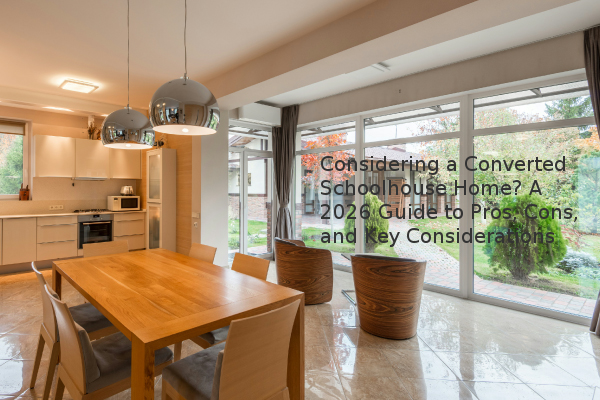
Converting a decommissioned school into a residential property is a unique path to homeownership that blends historic charm with unconventional space. Based on our experience assessment, this venture can offer significant value and character but requires careful evaluation of zoning, renovation costs, and potential structural challenges. The most critical first step is always a specialized professional inspection to understand the full scope of a conversion.
The appeal of a schoolhouse conversion often lies in its unique attributes. These properties typically feature large, open classrooms with high ceilings and abundant natural light, providing a fantastic canvas for creating a custom living space. Many are built with durable, high-quality materials that are less common in modern construction. Furthermore, owning a piece of local history can be a significant draw. From a financial perspective, these properties can sometimes be purchased below the price per square foot of a traditional home, as seen in listings like a $30,000 property in Weiser, ID, or a $150,000 option in Kettle Falls, WA. However, the initial purchase price is only part of the financial picture.
Zoning and Permits: The foremost consideration is zoning regulations. The property must be legally permitted for residential use. A change of occupancy often requires approval from local municipal planning departments and must meet current building codes. Renovation Scope and Costs: A thorough inspection is non-negotiable. You must budget for potentially extensive upgrades to plumbing, electrical, and HVAC systems designed for a large commercial building, not a single family. Asbestos or lead paint abatement in older buildings is a common and costly necessity. Property Taxes and Insurance: Property taxes may be assessed at a commercial rate or re-evaluated post-renovation. Similarly, securing standard homeowners insurance can be challenging; you may need a specialized policy for a non-standard property.
The table below outlines common renovation categories and potential cost considerations for a school conversion.
| Renovation Category | Key Considerations | Potential Cost Factors |
|---|---|---|
| Structural & Systems | Upgrading electrical, plumbing, HVAC for residential use. | High; systems are commercial-grade. |
| Interior Finishing | Dividing large classrooms, installing kitchens/bathrooms. | Moderate to High; custom work is often needed. |
| Environmental Remediation | Asbestos, lead paint, or mold abatement. | Varies significantly; can be very high. |
| Exterior & Grounds | Maintaining large lots, historic facades, parking areas. | Ongoing maintenance cost. |
Financing a converted schoolhouse is not the same as financing a typical single-family home. Many conventional loan programs have strict guidelines on property types. Lenders may view this as a non-conforming property, which can pose a challenge. You will likely need to work with a lender experienced in unique or specialty properties. They will require a specialized appraisal that finds comparable properties (comps), which can be difficult. Be prepared for a larger down payment and potentially a higher interest rate to offset the lender's perceived risk.
The investment potential is highly variable. A successful conversion in a desirable location can yield a one-of-a-kind home with significant equity. However, the market of buyers is smaller when you decide to sell. The property's value is heavily dependent on the quality of the renovation and the overall real estate market conditions. It is generally not considered a liquid asset or a quick-flip opportunity. The investment is often more personal—a labor of love for a unique living space—rather than a purely financial decision.
In conclusion, while the idea of living in a converted schoolhouse is captivating, it requires a pragmatic approach. Key steps include:
Due diligence is paramount to transforming a historic building into a successful and rewarding home.