Browse

Log in / Register
 Share

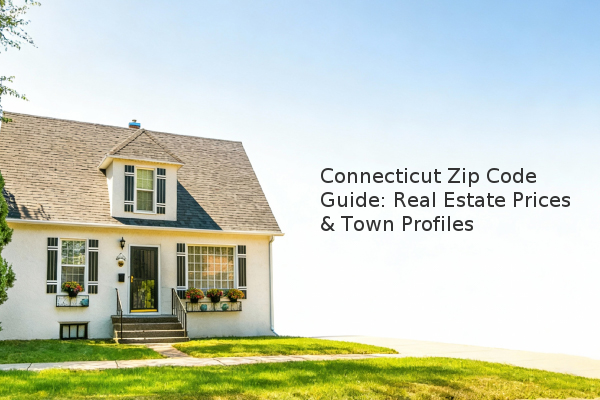
Understanding Connecticut's zip codes is essential for navigating the state's diverse real estate market, as they directly correlate with property values, local tax rates, and community amenities. Zip codes in Connecticut serve as key identifiers for specific towns and neighborhoods, each offering a unique blend of market dynamics, from the affluent coastal communities of Fairfield County to the more rural and affordable regions in the northeast. This guide provides an objective overview of how Connecticut's postal codes can inform your property search and investment decisions.
A zip code is a postal code used by the United States Postal Service (USPS) to efficiently route mail. In Connecticut's real estate context, a zip code often corresponds to a specific town or a distinct area within a larger city. This is critical because property taxes, school district quality, and municipal services are hyper-localized. For example, two homes with the same sale price but in different zip codes can have vastly different annual property tax obligations. Furthermore, market trends are analyzed at this granular level, providing a more accurate picture of home value appreciation or depreciation than state-wide data.
Identifying the correct zip code for an area of interest is straightforward. The USPS maintains an official online zip code lookup tool. Beyond this, real estate listings will always include the property's zip code. To illustrate the diversity, here is a sample of Connecticut zip codes and their primary towns, showcasing the range of settings:
| Zip Code | Primary Town/City | County | General Market Vibe |
|---|---|---|---|
| 06820 | Greenwich | Fairfield | High-end, coastal |
| 06107 | West Hartford | Hartford | Suburban, family-focused |
| 06510 | New Haven | New Haven | Urban, academic |
| 06340 | Norwich | New London | Affordable, historic |
| 06043 | Litchfield | Litchfield | Rural, scenic |
This table demonstrates how a zip code immediately anchors a property to a specific regional context, which is the first step in any serious real estate evaluation.
Connecticut's real estate market is not monolithic. Prices can fluctuate significantly from one zip code to the next. Based on recent aggregated market data, the median home value in zip codes along the "Gold Coast" (e.g., 06820, 06830) frequently exceeds $1,500,000, driven by proximity to New York City and high-quality amenities. In contrast, zip codes in northeastern Connecticut (e.g., 06250, 06355) often feature median prices below $350,000, offering more accessible entry points for buyers. It is crucial to consult current local market reports for the most up-to-date pricing, as these figures are subject to change.
While a zip code provides an excellent starting point, a thorough assessment requires deeper investigation. Always verify the specific school district boundaries within a zip code, as they are not always perfectly aligned. A home in one zip code might be zoned for a different district than its neighbor. Additionally, research local property tax mill rates, which are set by individual towns and can dramatically affect your total cost of homeownership. Finally, investigate planned developments or infrastructure projects in the area, as these can influence future property values.
In summary, using a Connecticut zip code as a research tool can effectively narrow your property search and highlight areas that align with your budget and lifestyle goals. However, it should be the beginning of your due diligence, not the end. Always verify hyper-local data on taxes and schools, and consult recent market analyses for the most accurate financial picture before making any real estate decisions.