Browse

Log in / Register
 Share

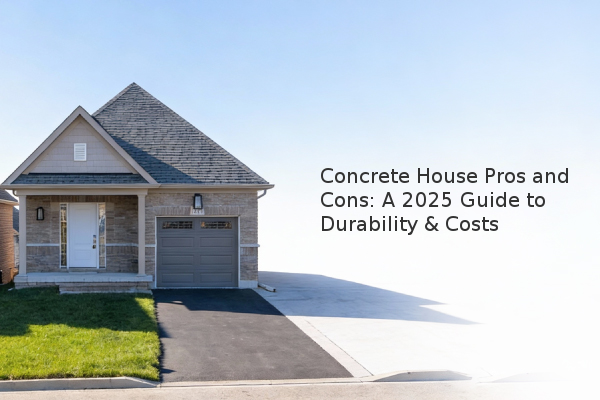
Choosing to build or buy a concrete house involves a significant trade-off between exceptional durability and higher upfront costs. For homeowners in disaster-prone areas or those seeking long-term energy savings, a concrete home offers compelling benefits that may justify the initial investment. This guide provides an objective analysis of the advantages and disadvantages of concrete construction to inform your real estate decision.
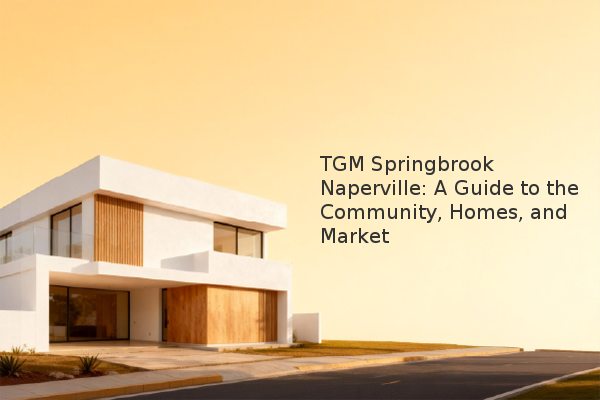
A concrete house is a residential structure where the primary building material is concrete, often used in walls, foundations, and sometimes floors and roofs. Common construction methods include Insulating Concrete Forms (ICFs), where hollow foam blocks are filled with concrete, and Concrete Masonry Units (CMUs), which are traditional cinder blocks. Unlike wood-frame houses, which are susceptible to rot and pests, concrete homes are renowned for their structural integrity and resilience.
The primary benefit of a concrete house is its durability. These structures are highly resistant to severe weather events like hurricanes and tornadoes, offering superior protection compared to standard wood framing. They are also impervious to termites and wood-boring pests, eliminating a major maintenance concern and potential cost for homeowners.
Another significant advantage is energy efficiency. The thermal mass of concrete helps regulate indoor temperatures by absorbing heat during the day and releasing it at night. When built with ICFs, a concrete house can be exceptionally airtight, leading to substantial savings on heating and cooling bills—often 20-30% lower than in a comparable wood-frame home. This efficiency also contributes to a more consistent and comfortable indoor environment.
The most considerable barrier for many buyers is the higher initial cost. Constructing a concrete house typically costs 5% to 10% more than a wood-frame house. This premium covers materials, specialized labor, and engineering. For example, while standard framing might cost $150-$250 per square foot, a concrete home could range from $200-$300 per square foot, depending on finishes and location.
Potential challenges also include difficulty with modifications. Running new electrical wiring or plumbing after the walls are poured is complex and expensive. Furthermore, while concrete is highly resistant to water damage, if water does manage to seep in, it can be difficult to dry out, potentially leading to air quality issues. Proper waterproofing and drainage during construction are critical to mitigate this risk.
| Feature | Concrete House | Wood-Frame House |
|---|---|---|
| Initial Cost | Higher (5-10% more) | Lower |
| Durability | Excellent (fire, wind, pest resistant) | Good, but vulnerable to pests and fire |
| Energy Efficiency | Superior (high thermal mass) | Standard (requires added insulation) |
| Ease of Renovation | Difficult and costly | Relatively easy |
| Lifespan | Long (50-100+ years) | Long (50+ years with maintenance) |
The decision hinges on your location, budget, and long-term goals. Based on our experience assessment, a concrete house is a strong candidate for buyers in regions with high risks of wildfires, hurricanes, or termite infestations. The investment in resilience can potentially lead to lower insurance premiums and definitely reduces the risk of catastrophic damage.
For the average buyer, the decision is more financial. If you plan to own the home for decades, the energy savings and minimal maintenance can offset the higher purchase price over time. However, if you anticipate needing to make significant layout changes in the future, the inflexibility of concrete walls could be a drawback.
In summary, a concrete house is a premium product that prioritizes safety, efficiency, and longevity over short-term savings. Carefully weigh the higher initial investment against the potential for lower utility bills, reduced insurance costs, and unparalleled peace of mind in the face of natural disasters. Consult with local builders experienced in concrete construction to get accurate, location-specific cost estimates.