Browse

Log in / Register
 Share

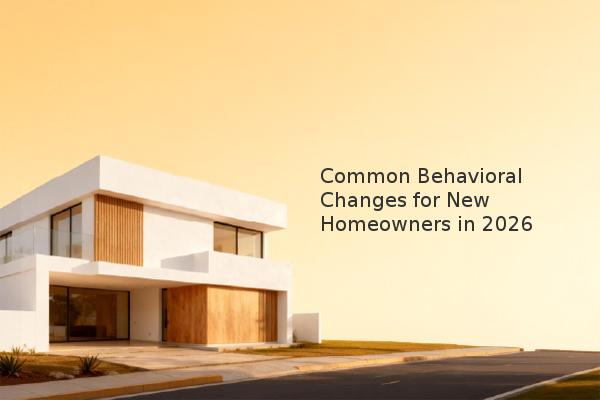
Becoming a homeowner in 2026 often leads to significant, sometimes surprising, shifts in behavior. While taking on a mortgage—a loan specifically for purchasing real estate—fosters financial responsibility, it can also trigger new anxieties and habits. Based on our experience assessment, new homeowners frequently develop heightened concern over utility costs, guest etiquette, neighborly interactions, and discretionary spending. Understanding these common changes can help you navigate the psychological transition of homeownership more smoothly.
A newfound sensitivity to home operating costs is a typical change. When you are directly responsible for monthly utility bills—payments for services like electricity and gas—even minor adjustments by guests can feel significant. This is often rooted in the financial reality of homeownership, where expenses like heating can be substantial. For example, projections for the 2026 winter season suggest potential increases in energy costs. While mindful energy use is prudent, becoming overly anxious about a one-degree change is counterproductive. Maintaining a reasonable perspective on minor temperature adjustments can preserve both comfort and social harmony.
The shift from renter to owner often changes how one perceives visitors. A rental property may feel temporary, but a home you own represents a major personal investment. This can lead to increased awareness of wear and tear or mess. It's common to notice small things, like guests not placing cups in the sink, that were previously overlooked. This heightened awareness stems from a desire to protect your property's condition and value. Establishing clear, polite expectations with guests beforehand can mitigate frustration and help maintain a welcoming environment.
Homeownership frequently fosters a deeper connection to one's community. Unlike the transient nature of renting, buying a home signifies a long-term commitment to a location. This often leads to increased engagement with neighbors and local happenings. Platforms that facilitate neighborhood communication can amplify this engagement. While building community ties is beneficial, it's important to respect boundaries. Striking a balance between being neighborly and respecting privacy is key to healthy community relationships.
Managing a mortgage payment often reshapes financial priorities. Discretionary income previously allocated for entertainment or clothing may be redirected toward home maintenance, improvements, or savings for future projects. This is a natural and responsible adjustment to a new financial obligation. The key is to avoid letting frugality negatively impact your quality of life. Creating a realistic household budget that includes funds for both home-related expenses and personal enjoyment can prevent feelings of being overly restricted.
Acquiring a home often unlocks a desire for hands-on improvement, a phenomenon sometimes called "DIY mania." The ability to customize your living space is a significant advantage of homeownership. While tackling projects yourself can be rewarding and cost-effective, it's crucial to recognize your limits. Understanding when a project requires a licensed professional, such as for electrical or major plumbing work, is essential for safety and protecting your home's value.
The financial and emotional investment in a home can make it the center of your social life. The convenience and comfort of your own space may lead to hosting more often and going out less. This shift can be a positive way to enjoy your investment and build community. However, it's also beneficial to maintain connections and activities outside the home. Finding a balance between enjoying your new home and engaging with the wider community supports overall well-being.
In conclusion, the behavioral changes associated with new homeownership are a normal part of the transition. Key takeaways include: planning a budget that accommodates both utility costs and personal spending, setting clear expectations for guests to reduce hosting stress, and pursuing DIY projects within a realistic skill set. Being aware of these common shifts allows you to embrace the positives of homeownership while maintaining a balanced perspective.