Browse

Log in / Register
 Share
Share
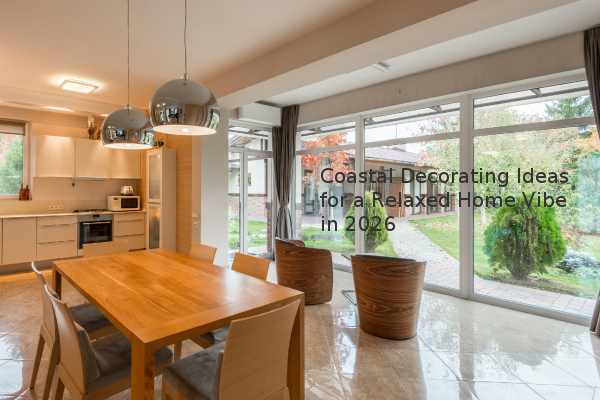
Achieving a relaxed, coastal-inspired home aesthetic is less about a strict theme and more about capturing a feeling of ease, according to interior design principles. By incorporating natural textures like linen and leather, personal touches such as curated photos, and subtle nautical accents, you can create a space that feels both luxurious and casually comfortable. The key is focusing on texture, light, and personal mementos rather than literal decorations. This approach allows for a timeless style that avoids being dated.
Natural fabrics are fundamental to the coastal aesthetic. Linen is a premier choice for its breathable, relaxed texture that evokes a breezy, sun-drenched feel. For those with a flexible budget, a linen-upholstered sofa creates an immediate foundation of laid-back luxury. A more accessible approach is to incorporate linen through cushion covers or by wrapping coffee table books in linen fabric. Top these with a piece of found driftwood or seashells to enhance the organic vibe. The goal is to introduce tactile, natural materials that feel soft and inviting.
A calming atmosphere relies on textural contrast. While nubby weaves like seagrass are important, smooth textures provide visual rest and sophistication. Interior designer Lea Johnson recommends mixing in elements like glass vases or a scalloped stoneware tray. Filling a bangle bowl with sea-polished stones or collected beach glass from a personal outing adds a smooth, tactile element that connects the space to real memories. This balance between rough and smooth textures prevents a room from feeling one-dimensional and promotes a serene environment.
Investment pieces should prioritize comfort and a sense of history. A well-worn leather chair effortlessly communicates a casual, relaxed attitude, as if it has stories to tell. While vintage pieces like a Sirocco chair are ideal, there are many mid-century inspired safari or slingback lounge chairs that offer a similar aesthetic. The character in the leather’s patina and the chair’s low-slung profile encourage lounging, directly opposing formal, stiff seating arrangements. This single piece can become the anchor of a room dedicated to unwinding.
Moving beyond generic decor is key to making the style your own. Curate personal photographs from beach trips or use vintage family photos taken at the shore. Designer Lea Johnson suggests placing photos in a seagrass basket for guests to browse or creating a gallery wall with simple wood frames. She notes that arranging items in odd numbers is often more visually interesting than symmetry, which can feel too formal. This personal layer transforms the decor from a simple theme into a narrative of your experiences and memories.
The goal is subtle suggestion, not a literal theme. Incorporating rope accents thoughtfully can nod to maritime life without overwhelming a space. Johnson highlights a table lamp with a rope-wrapped base or shade as an example where the material is used as a textural element rather than a dominant pattern. A chunky, rope-weave rug offers warmth and comfort, reminiscent of a fisherman’s sweater, while a beachcomber basket provides practical storage for blankets. These elements work when they feel integrated and sophisticated, not kitschy.
Conclusion Creating a coastal-inspired home in 2026 is an exercise in evoking a mood through mindful choices. Focus on high-quality natural textiles like linen and leather to build a foundation of comfort. Introduce a mix of smooth and rough textures to cultivate a calming atmosphere. Most importantly, personalize the space with curated photos and found objects to ensure the decor feels authentic. By prioritizing feeling over a strict theme, you can achieve a space that is both stylish and genuinely relaxing.