Browse

Log in / Register
 Share
Share
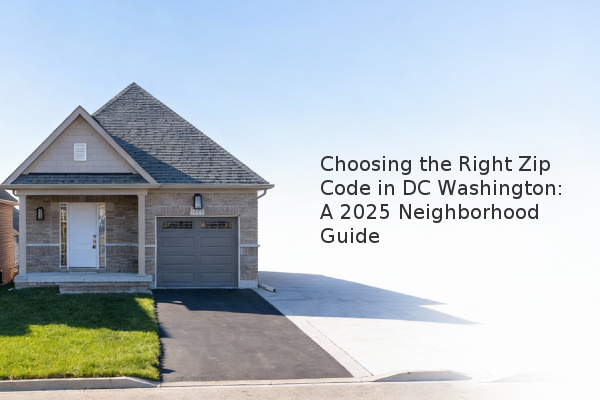
Selecting the right zip code is one of the most critical decisions when buying or renting property in Washington, DC. The city's unique zip codes act as direct proxies for neighborhood character, pricing, and lifestyle. Based on an assessment of current market trends, your choice will fundamentally impact your daily life, property value appreciation, and access to amenities. This guide provides an objective overview of DC's key zip code areas to inform your search.
A zip code in Washington, DC, is more than just a mailing address; it's a concise summary of a neighborhood's profile. It typically correlates with factors like property tax rates, school district rankings, public transportation access, and overall ambiance. Property tax is an annual levy imposed by the local government on the assessed value of real estate, which can vary slightly across the district. Understanding these nuances allows you to align your housing choice with your priorities, whether you value quiet, residential streets, bustling commercial corridors, or proximity to cultural institutions.
For a quick comparison, the table below outlines estimated median home prices and key characteristics for several prominent DC zip codes, based on aggregated market data from the first quarter of 2025.
| DC Zip Code | Neighborhood Examples | Estimated Median Home Price (Q1 2025) | Primary Vibe |
|---|---|---|---|
| 20007 | Georgetown, Burleith | $1,800,000+ | Historic, affluent, village-like |
| 20008 | Cleveland Park, Woodley Park | $1,100,000+ | Family-friendly, serene, suburban feel |
| 20009 | Adams Morgan, U Street Corridor | $650,000+ | Vibrant, nightlife-centric, youthful |
| 20003 | Capitol Hill, Navy Yard | $750,000+ | Historic charm mixed with modern development |
| 20032 | Bellevue, Washington Highlands | $450,000+ | Affordable, undergoing transition |
The definition of "value" is highly personal. For some, it means potential for long-term appreciation, while for others, it means affordability and space. Zip codes like 20003 (Capitol Hill) and 20002 (parts of Northeast DC) offer a mix of historic row houses and new condominium developments, often at a lower price point than the city's most expensive areas. These neighborhoods provide excellent access to Metro lines and are in close proximity to employment hubs. When evaluating value, consider the total cost of ownership, which includes not just the mortgage but also property tax, maintenance, and potential condo fees if you purchase a condo, which is a privately owned unit within a larger building complex.
A property's listed price is only the beginning. Buyers must budget for recurring costs that are often defined by the zip code. The most significant is the District of Columbia's real property tax rate. For most residential properties, the rate is $0.85 per $100 of assessed value. However, properties classified as primary residences are eligible for a deduction that can significantly lower the tax burden. Furthermore, properties above a certain price threshold may be subject to a higher tiered rate. It is essential to research the specific tax implications for any property you consider.
For renters, a zip code dictates rental prices, commute times, and the availability of rental inventory. Areas with high student populations, like those near universities in 20057 (Tenleytown), may have more shared housing options. Conversely, zip codes like 20004 (Penn Quarter/Chinatown) are dominated by high-rise apartment buildings catering to professionals seeking a car-free, urban lifestyle. Rental prices can fluctuate dramatically between adjacent zip codes, so expanding your search by just a few blocks could lead to significant savings.
Ultimately, the best zip code in DC is the one that aligns with your budget, lifestyle, and long-term goals. A thorough, data-driven comparison of neighborhoods is the most reliable path to a successful real estate decision.