Browse

Log in / Register
 Share

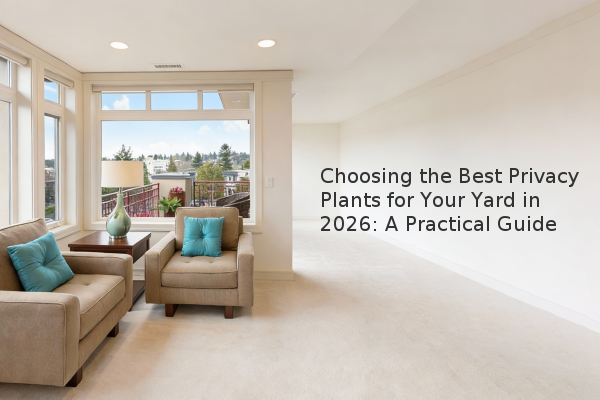
Using privacy plants is an effective strategy to enhance your outdoor space, offering a natural and aesthetically pleasing alternative to fences. Based on our experience assessment, the key to success lies in selecting the right plants for your specific climate, space, and privacy needs. This guide covers the essential considerations and recommends six top-performing varieties for creating a secluded haven.
What are the most important factors to consider before planting for privacy?
Before investing in any greenery, several critical factors will determine the long-term health and effectiveness of your privacy screen. Overlooking these can lead to poor growth, unnecessary maintenance, or conflicts with your homeowners association (HOA).
The first consideration is the plant's mature size. You must understand both the ultimate height and width of the shrub or tree to ensure it meets your screening goals. A plant tag or the grower's website will provide this information. For example, to block a second-story window, you will need a variety that reaches over 15 feet. Conversely, for a narrow side yard, a plant with a slim, columnar growth habit is essential.
Another vital factor is the growth rate. If you need privacy quickly, fast-growing species are the obvious choice. However, these often require more frequent pruning to maintain their shape. Slower-growing plants demand less maintenance but require more patience. The USDA Hardiness Zone (a geographic area defined by its average annual extreme minimum temperature) is non-negotiable; always choose plants rated for your specific zone to ensure they can survive your local winter. Finally, check your HOA guidelines, as many communities have rules about landscaping changes, including plant height, type, and placement, which may require pre-approval.
Which fast-growing plants are best for creating a natural barrier?
For those seeking a relatively quick solution, several robust plants combine rapid growth with dense foliage. These varieties can establish an effective screen within a few growing seasons.
The Forever Goldy Arborvitae is a standout for its speed and stature. This evergreen conifer is known for its bright golden foliage that provides year-round color and screening. It grows upright, reaching a mature height of 10 to 12 feet with a width of 3 to 3.5 feet. It thrives in full sun and has low water requirements once established, making it a low-maintenance option for a tall hedge.
For a unique option, consider Clumping Bamboo. Unlike running bamboo, clumping varieties spread slowly and are not invasive. They can quickly form a dense, elegant screen up to 8 feet tall. This plant prefers afternoon shade and needs watering only a few times per week. Its vertical lines offer a modern, clean look that is highly effective for privacy.
What are the best privacy plants for smaller or shadier spaces?
Not every yard has abundant sun or vast amounts of space. Fortunately, several excellent plants are perfectly suited for these challenging conditions.
The Diamond Spire Gardenia is ideal for tight spaces due to its narrow, upright growth habit, reaching 3 to 4 feet tall and only 2 feet wide. Beyond its dense, evergreen leaves, it offers a significant bonus: fragrant white flowers that bloom from spring through fall. It performs well in full sun to partial shade but requires regular watering.
If your yard has significant shade, the Yewtopia Plum Yew is an excellent choice. This compact, drought-tolerant shrub grows 3 to 4 feet in both height and width, making it a good fit for partial- to full-shade areas. It requires only medium watering and an annual fertilizer application in early spring to maintain its health and form.
How can you add visual interest beyond basic green foliage?
A privacy screen doesn’t have to be monotonous. Many plants offer striking colors, textures, and even flowers to enhance your landscape’s beauty.
The Roman Candle Podocarpus adds brightness with its striking white and light green variegated foliage. It can grow quite tall, between 10 to 15 feet, with a width of 3 to 4 feet. This deer-resistant plant is low-maintenance, thriving in full sun or partial shade with an annual application of fertilizer in early spring.
For vibrant new growth, the LeAnn Cleyera features glossy evergreen leaves with striking bronze-red tips. It can form a substantial medium-to-large hedge, growing 10 to 12 feet tall and 6 to 7 feet wide. This plant requires full sun and frequent watering to reach its full potential.
What are the key takeaways for planting a successful privacy screen?
Creating a natural privacy barrier requires thoughtful planning. The most critical step is to research the mature size of any plant to ensure it fits your space without constant pruning. Always confirm the plant's suitability for your USDA Hardiness Zone to avoid winterkill. For quicker results, prioritize fast-growing varieties, but be prepared for more frequent maintenance. Finally, review your HOA's landscaping rules before purchasing any plants to prevent costly mistakes. By selecting the right plant for the right place, you can enjoy a beautiful, private outdoor living area for years to come.