Browse

Log in / Register
 Share

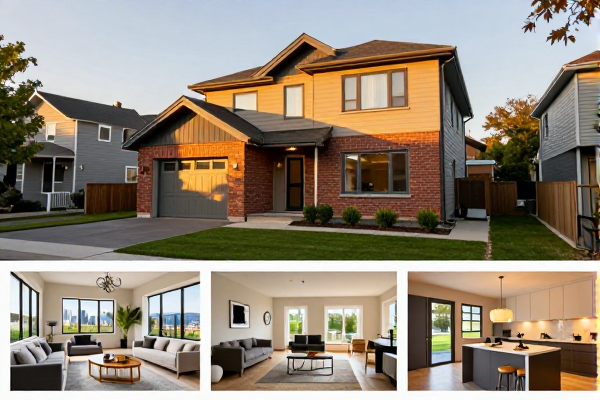
The Chase Home Value Estimator is a useful starting point for a general market snapshot, but it should not be used as the sole basis for pricing a home for sale or making an offer. In 2026, automated valuation models (AVMs) like Chase's tool provide a quick estimate based on public data, but their accuracy can vary significantly due to factors like unique home features and local market volatility. For critical financial decisions, a professional appraisal or comparative market analysis from a real estate agent remains the gold standard.
An automated valuation model (AVM) is a computer-driven algorithm that estimates property value by analyzing vast amounts of data. The Chase Home Value Estimator is a type of AVM that pulls information from public records, such as recent sales of similar homes (comparables or "comps"), property tax assessments, and market trends. It is designed to give homeowners, buyers, and sellers a free, instant ballpark figure. The primary advantage is its speed and accessibility, allowing anyone to get an idea of a property's worth without immediate human intervention.
The accuracy of any AVM, including Chase's, is highly dependent on data availability and homogeneity in the neighborhood. In areas with many similar homes that have sold recently, the estimate can be reasonably close. However, accuracy diminishes for unique properties, rural homes with fewer comparable sales, or in rapidly shifting markets where recent sales data may not reflect current buyer demand. Based on our experience assessment, AVMs can have a margin of error of 10% or more, which translates to a significant dollar amount on a typical U.S. home. It's crucial to view the estimate as a single data point, not a definitive valuation.
To understand its place, it's helpful to compare the Chase estimator to other common valuation methods. The following table outlines the key differences:
| Method | Pros | Cons | Best For |
|---|---|---|---|
| Chase AVM | Free, instant, readily available | Lower accuracy, no physical inspection | Preliminary research |
| Professional Appraisal | Highly accurate, definitive for lenders | Costly ($300-$500+), requires scheduling | Mortgage financing, estate settlement |
| Real Estate Agent's CMA | Free, includes local expertise, adjusts for condition | Not a formal appraisal, agent-dependent | Pricing a home for sale |
A Comparative Market Analysis (CMA) is a report prepared by a real estate agent that compares your home to similar properties that have recently sold, are currently on the market, or failed to sell. This method often provides more nuanced insight than an AVM because the agent can account for upgrades, layout, and curb appeal.
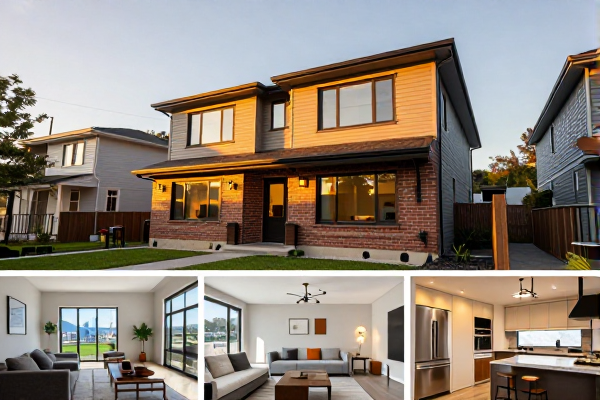
If you decide to use the Chase Home Value Estimator, follow these steps for the best results. First, verify that the home facts the tool has pulled (square footage, bedroom/bathroom count) are correct, as errors here will skew the result. Second, use the tool to check the estimated values of nearby homes that you know have sold to gauge its reliability in your specific area. Finally, treat the estimate as a starting point for further research, not a final answer. It can help you form initial questions for a real estate agent or appraiser.
For any major real estate decision, always complement an online estimate with professional, personalized advice. The small cost of an appraisal or the expert opinion of a local real estate agent can prevent costly mistakes, ensuring your financial moves in the 2026 market are well-informed and based on the most accurate information available.