Browse

Log in / Register
 Share
Share
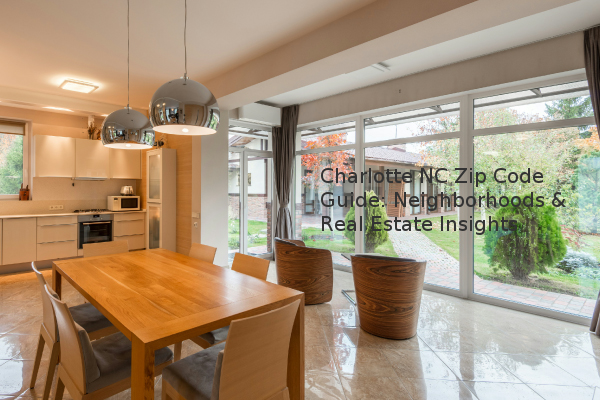
Navigating Charlotte's zip codes is essential for understanding its diverse real estate markets, from affordable starter homes to luxury properties. Each postal code offers a distinct blend of neighborhood character, property types, and price points, directly impacting your home buying or selling strategy. This guide provides an objective analysis of key Charlotte zip codes, focusing on current market trends and practical considerations for your real estate journey.
What are the key Charlotte zip codes for home buyers? Charlotte's metropolitan area is divided into numerous zip codes, each representing a unique micro-market. For prospective buyers, identifying a zip code that aligns with your budget and lifestyle is the first critical step. Property Tax rates, which are annual levies on real estate by local governments, can vary slightly between areas, influencing overall affordability. For example, zip codes closer to the city center, like 28202 (Uptown), typically feature higher-density condominiums and a premium price per square foot, while suburban codes such as 28277 (Ballantyne) offer more single-family homes. Understanding these nuances helps narrow your search effectively.
How do zip codes correlate with property values and types? The correlation between a Charlotte zip code and its real estate profile is strong. The following data, based on aggregated market analyses from the past year, illustrates median home prices and dominant property types in select areas. This information is for reference, as market conditions are dynamic.
| Zip Code | Area Example | Median Home Price | Dominant Property Type |
|---|---|---|---|
| 28207 | Dilworth, Myers Park | $1,050,000 | Historic Single-Family |
| 28270 | SouthPark | $850,000 | Luxury Condos & Estates |
| 28277 | Ballantyne | $625,000 | Single-Family Subdivisions |
| 28273 | Steele Creek | $425,000 | Modern Townhomes |
| 28208 | West Charlotte | $350,000 | Starter Homes & Renovations |
What should sellers know about their zip code's market dynamics? For sellers, the zip code is a primary filter for potential buyers. Pricing your home competitively requires an understanding of recent sales comps, or comparable properties, within your specific zip code. A Condo (short for Condominium, an individually owned unit within a multi-unit building) in 28202 will follow a different sales trajectory than a Freehold property (a type of outright ownership where you own the land and building indefinitely) in 28277. Factors like inventory levels and average days on market within your zip code are crucial for setting a realistic listing price and marketing strategy.
Are there other zip code considerations beyond home prices? Absolutely. Your zip code determines more than just real estate value. It influences school district assignments, commute times to major employment hubs like Uptown or the SouthPark financial district, and access to amenities. Proximity to light rail stations, major highways like I-485, and shopping centers can significantly affect property desirability. Furthermore, future development plans within a zip code can be a indicator of long-term value appreciation, making it a key factor for both buyers and investors.
To make informed real estate decisions in Charlotte, cross-reference zip code data with your personal needs. Begin by clearly defining your budget and lifestyle priorities. Analyze recent sales data specific to your zip codes of interest to understand true market value. Finally, consider not only the current state of a neighborhood but also its potential for future growth. This structured approach will help you navigate the Charlotte housing market with greater confidence.