Browse

Log in / Register
 Share
Share
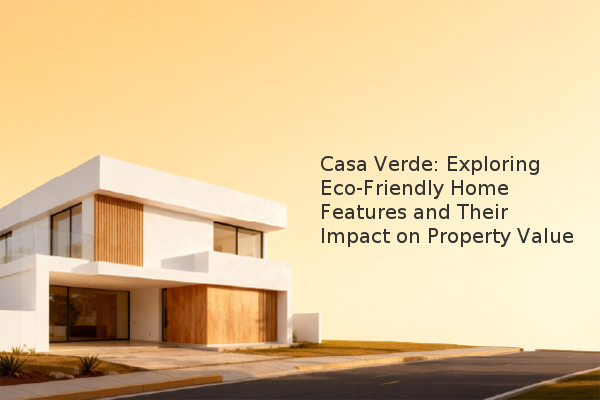
Casa verde, or "green house," refers to residential properties designed and built with a focus on environmental sustainability and energy efficiency. For homebuyers and sellers in the current market, understanding the features and financial implications of a casa verde is crucial. These homes often incorporate advanced systems for energy generation, water conservation, and healthier indoor living. The core conclusion is that investing in a casa verde can lead to significant long-term savings on utility costs and may enhance a property's resale value, but it requires a clear understanding of the upfront costs and certifications involved.
A modern casa verde goes beyond simply using recycled materials. It encompasses a holistic approach to reducing the home's carbon footprint and operating costs. Key features often include high-efficiency HVAC (Heating, Ventilation, and Air Conditioning) systems, superior insulation, energy-star rated appliances, and water-saving plumbing fixtures. Many green homes also integrate renewable energy sources, such as solar panels, to achieve net-zero energy consumption, meaning the home produces as much energy as it uses over a year. The first appearance of a technical term like Net-zero energy describes a building with zero net energy consumption, meaning the total amount of energy used by the building on an annual basis is roughly equal to the amount of renewable energy created on the site.
Other common elements are sustainable building materials like bamboo flooring or low-VOC (Volatile Organic Compound) paints, which improve indoor air quality. Smart home technology that optimizes energy use, such as programmable thermostats and automated lighting, is also a frequent component of a casa verde. These features work in tandem to create a home that is not only environmentally friendly but also more comfortable and cost-effective to maintain.
One of the most important aspects of a true casa verde is its certification from a recognized organization. In the United States, the most common standards are LEED (Leadership in Energy and Environmental Design) for Homes and the EPA's ENERGY STAR certification. These certifications provide an objective, third-party verification of the home's green features. For a seller, this certification acts as a powerful marketing tool, substantiating claims about the home's efficiency.
For a buyer, it offers peace of mind, knowing that the home's systems have been professionally evaluated and meet rigorous performance standards. Homes with verifiable green certifications often appraise at a higher value than comparable non-green homes. Appraisers are increasingly trained to recognize and value these features, using tools like the "Green Addendum" to properly document them. This can translate into a stronger negotiating position for the seller and a more secure investment for the buyer.
The financial argument for a casa verde is compelling. While the initial purchase price or renovation cost might be higher, the long-term savings are substantial. Homeowners can expect significantly lower monthly utility bills for electricity, gas, and water. To illustrate the potential savings, consider the following comparison of average annual utility costs:
| Home Type | Average Annual Energy Cost | Average Annual Water Cost |
|---|---|---|
| Standard Home | $2,200 | $600 |
| ENERGY STAR Certified Casa Verde | $1,500 | $450 |
Note: Figures are estimates based on 2024 national averages; actual costs vary by location and usage.
Furthermore, homeowners may qualify for various incentives. These can include federal tax credits for installing solar energy systems, as well as state-specific rebates for upgrading to energy-efficient appliances or windows. Some municipalities also offer reductions in property tax (a levy on real estate assessed by local governments) for green-certified homes. Additionally, some lenders offer energy-efficient mortgages (EEMs), which allow borrowers to finance the cost of energy-efficient improvements as part of their home loan.
When evaluating a casa verde, due diligence is key. A standard home inspection may not be sufficient. It is advisable to seek an inspector with specific experience in green building technologies. They can assess the performance of systems like solar panels, geothermal heat pumps, and advanced insulation. Request all documentation related to the home's certifications, warranties for specialized equipment, and past utility bills to verify performance claims.
Buyers should also research the local market to understand how green features are valued in their specific area. The premium for a casa verde can vary significantly by region. It's also important to consider the maintenance requirements for specialized systems to ensure they can be properly serviced over the long term.
In summary, a casa verde represents a forward-thinking approach to homeownership that balances ecological responsibility with economic sense. The key takeaways are: prioritize verified certifications like LEED or ENERGY STAR, meticulously calculate long-term utility savings against upfront costs, and always conduct specialized inspections to validate the home's green claims. Based on our experience assessment, these steps will help you make an informed decision in the evolving market for sustainable real estate.