Browse

Log in / Register
 Share

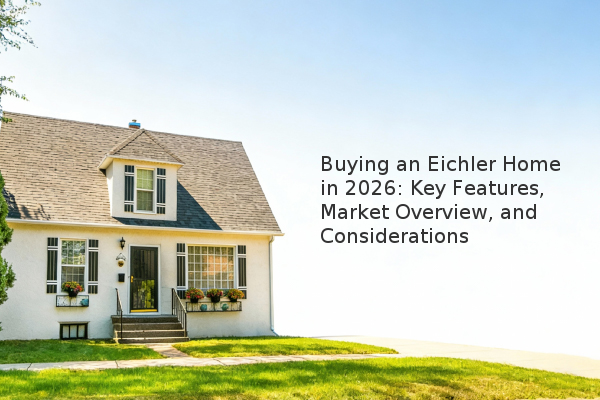
For homebuyers seeking a distinctive piece of mid-century modern architecture, purchasing an Eichler home in 2026 represents a unique opportunity. These California-built residences, known for their open-concept floor plans and integration with the outdoors, continue to hold strong market appeal. Based on our experience assessment, key considerations include understanding the hallmark design features, evaluating the condition of original systems, and recognizing the potential for modern updates while preserving historic character. This guide provides a clear overview for navigating the Eichler market.
Eichler homes are a distinct style of mid-century modern residence built primarily in California by developer Joseph Eichler between 1949 and 1966. They are characterized by several key architectural elements. The most recognizable include post-and-beam construction, a structural system that uses vertical posts and horizontal beams to support the roof, allowing for expansive, open interior spaces without load-bearing walls. Other defining features are flat or low-sloping A-frame roofs, floor-to-ceiling glass panels, and atrium entries that bring the outdoors inside. The design philosophy prioritizes simplicity, functionality, and a connection to nature, often void of excessive ornamentation.
The appeal of these homes is enduring. Their open-concept layouts align with contemporary living preferences, and their historical significance attracts buyers with an appreciation for design. Many Eichler developments were also planned with communal areas, fostering a sense of community that persists today.
Purchasing an Eichler home requires a specialized inspection focused on its unique construction. While aesthetics are important, the structural and mechanical integrity is paramount. A thorough professional inspection is non-negotiable, with emphasis on several critical areas.
First, the original radiant heating systems—where hot water circulates through pipes embedded in the concrete slab floor—can be a source of major expense if they fail. Inspectors should check for leaks and system functionality. Second, the extensive use of glass can impact energy efficiency. Buyers should assess whether windows are original or have been upgraded to modern, UV-safe, and insulated versions. Finally, because of the flat or low-slope roof design, the roof drainage and membrane condition require careful evaluation to prevent water intrusion.
| Feature | Consideration for 2026 Buyers |
|---|---|
| Radiant Floor Heating | Can be costly to repair; verify operational status. |
| Original Single-Pane Windows | Often inefficient; upgrading improves comfort and energy bills. |
| Post-and-Beam Structure | Check for signs of wood rot or pest damage, especially where wood meets glass. |
| Atrium | Ensure proper drainage and waterproofing. |
The value of an Eichler home varies significantly based on location, size, condition, and the extent of modernization. As of 2026, entry-level Eichlers in need of updates can start around $1,200,000 in less expensive areas. However, in prime locations like Palo Alto or fully remodeled examples, prices regularly exceed $3,000,000. The premium is tied to the home's historical value, iconic design, and the quality of updates.
The market for these homes is niche but active. Well-maintained or thoughtfully updated properties often receive multiple offers and sell quickly, sometimes within days of listing. The value proposition is strong for buyers who prioritize architectural integrity and modern living in a historic package. It's crucial to work with a real estate agent experienced in mid-century modern properties to accurately assess value and navigate the competitive landscape.
A successful renovation honors the original architectural intent while incorporating contemporary comforts. The goal is to enhance, not erase, the home's character. Key areas for modernization include the kitchen and bathrooms, where updates should reflect a minimalist aesthetic. Open shelving, flat-panel cabinetry, and durable, modern materials like quartz countertops are sympathetic choices.
Energy efficiency is another major focus. Adding solar panels is a common and logical upgrade that aligns with the forward-thinking ethos of the design. Similarly, replacing original single-pane glazing with dual-pane, energy-efficient glass in the same style preserves the look while drastically improving thermal performance. Some homeowners also choose to add Accessory Dwelling Units (ADUs), which provide rental income or flexible living space, as seen in several current listings.
The most successful updates are those that are reversible or carefully documented, preserving the home's historical narrative for future owners.
Owning an Eichler home is a commitment to a specific lifestyle centered on design, light, and space. It is best suited for buyers who appreciate architectural history and are prepared for the specialized maintenance these homes can require. Before making an offer, prioritize a specialist inspection, budget for potential updates to heating and windows, and partner with an agent who understands the niche market. By focusing on these key areas, you can make an informed decision about investing in a piece of California's modernist legacy.