Browse

Log in / Register
 Share
Share
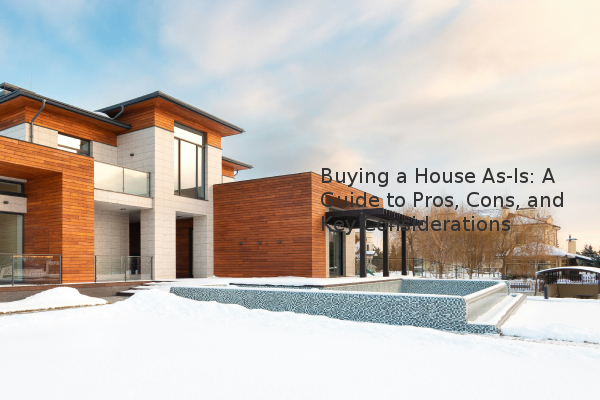
Buying a house listed "as-is" can be a path to homeownership with a lower purchase price, but it requires accepting the property in its current condition, including any defects. The core takeaway is that an "as-is" sale means the seller will not make any repairs or offer credits for problems, shifting all responsibility for future repairs and associated costs onto the buyer. While this can mean less competition and a faster process, the risks of hidden issues and health hazards are significant. This guide outlines the essential steps for due diligence to make an informed decision.
When a property is sold "as-is," the seller is legally stating they will not fix any issues before closing. This can range from minor flaws to major problems like a faulty roof, structural damage, or non-functioning HVAC systems. Buyers must be prepared to accept the home exactly as it is. It is critical to understand that even in an "as-is" sale, you may still have the right to conduct inspections for informational purposes. In some cases, based on our experience assessment, you might negotiate an inspection contingency that allows you to withdraw your offer if severe problems are discovered, though this varies by state law.
Some listings include the phrase "as-is, where-is." The "where-is" component specifically addresses the property's location and legal standing. It means you must accept the property in its current location, excusing the seller from faults related to its position. This can include being in a flood zone, having zoning issues, title defects, or being subject to an easement. This term is often used for land or commercial properties but can appear in residential sales, adding another layer of risk for the buyer to investigate.
The primary benefits often appeal to investors or buyers with renovation budgets.
The potential downsides are substantial and require careful financial planning.
Thorough due diligence is non-negotiable. Key steps include:
Ultimately, purchasing an "as-is" home is a major decision that balances potential savings against significant risk. Success hinges on a thorough investigation and a clear-eyed assessment of the financial and practical implications of the property's condition.