Browse

Log in / Register
 Share
Share
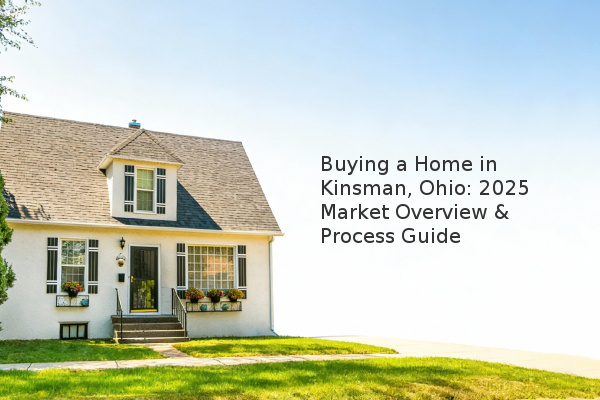
For prospective homebuyers, Kinsman, Ohio, presents a unique opportunity in 2025, characterized by an affordable median home price hovering around $150,000 and a tranquil, rural lifestyle within reach of larger metropolitan areas. This guide provides an objective overview of the local real estate market, the step-by-step purchasing process, and key financial considerations specific to Trumbull County. The core takeaway is that Kinsman offers significant value for budget-conscious buyers seeking a quiet community, though it requires a clear understanding of the nuances of buying in a rural market.
As of 2025, the Kinsman housing market remains a bastion of affordability, especially when compared to national averages. The market is primarily composed of single-family homes, many with generous lot sizes. Inventory can be seasonal, with more listings typically appearing in the spring and summer months. The area's appeal lies in its low cost of living and its location within Trumbull County, providing a balance between rural serenity and accessibility to cities like Warren and Youngstown. For investors or those seeking rental properties, the area can offer potential for positive cash flow due to the relatively low acquisition costs compared to potential rental income.
The process of purchasing a home in Kinsman follows the standard Ohio procedure, but with considerations for its specific market conditions. First, securing a mortgage pre-approval is critical; this document from a lender clarifies your budget and strengthens your offer. Next, partnering with a real estate agent experienced in Trumbull County is advisable. A key step unique to Ohio is the negotiation of who pays for the title insurance policy. Title insurance protects the lender and owner against future claims of ownership on the property. In many Kinsman transactions, it is common for the seller to pay for the owner's title insurance policy, but this is a point of negotiation.
Once an offer is accepted, the buyer enters the due diligence period, which includes a professional home inspection. Given the age of many homes in the area, inspections are crucial for identifying potential issues with foundations, roofs, and well or septic systems, which are common in rural locations. Finally, you will attend a closing meeting, often at a title company's office, where all documents are signed, and the property's deed is legally transferred to you.
Beyond the sale price, buyers must budget for ongoing and upfront costs. Property taxes in Trumbull County are a significant annual expense. It's essential to understand the Property Tax assessment, which is a tax levied by local governments on real estate, based on the property's appraised value. For a home at the median price, annual property taxes can range from $1,200 to $2,000. Additionally, homeowners insurance is required by lenders and is a necessity for protecting your investment.
Upfront costs include the earnest money deposit, which shows the seller you are serious, and closing costs, which typically range from 2% to 5% of the home's purchase price. These cover loan origination fees, appraisal fees, and title company services. The following table outlines common upfront costs for a $150,000 home in Kinsman:
| Cost Item | Estimated Amount |
|---|---|
| Down Payment (3.5% FHA) | $5,250 |
| Closing Costs (3%) | $4,500 |
| Home Inspection | $300 - $500 |
| Total Initial Cash Required | ~$10,000 - $11,000 |
Buyers new to rural markets like Kinsman should be aware of several potential challenges. Freehold properties, which mean you own the land and the building outright, are the norm, but it's vital to verify access to utilities. Not all properties are connected to municipal water and sewer; many rely on private wells and septic systems, which require specific inspections and maintenance. Furthermore, while the peaceful setting is a draw, buyers should realistically assess commuting distances to employment centers, shopping, and healthcare facilities.
In summary, purchasing a home in Kinsman, Ohio, is a viable path to homeownership for those prioritizing affordability and a quiet lifestyle. Success hinges on thorough financial preparation, a meticulous home inspection, and a clear understanding of rural property nuances. Key advice includes: get pre-approved early, invest in specialized inspections for wells and septic systems, and carefully review all closing documents, especially those related to title insurance and property tax prorations.