Browse

Log in / Register
 Share
Share
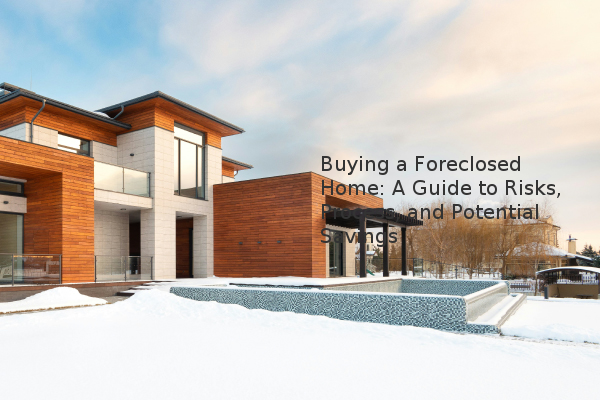
Purchasing a foreclosed home can offer significant savings, often selling for about 15% below market value, but it requires navigating a unique process and accepting substantial risks. Unlike traditional home sales, these properties are typically sold "as-is," meaning the buyer assumes all repair costs. This guide outlines the foreclosure process, key considerations, and steps to make an informed decision.
A foreclosure is a legal process where a lender seizes a property from homeowners who have defaulted on their mortgage loan. The process begins after a homeowner fails to make multiple mortgage payments. Lenders often provide a 90-day period to cure the default after issuing a formal notice. If the debt remains unpaid, the lender can schedule a public auction.
At the auction, the property is sold to the highest bidder, who must typically pay in full immediately. If the home does not sell at auction, it becomes a Real Estate-Owned (REO) property, meaning it is now owned by the bank. REO properties are often listed on standard real estate websites and may be marked as "bank-owned."
The most significant risk is the "as-is" condition. Banks selling foreclosed homes do not provide disclosures about the property's condition and will not pay for repairs. Many of these homes have fallen into disrepair due to the previous owner's financial distress. This can lead to unexpected renovation costs that may erase the initial purchase savings.
Potential buyers should budget for a thorough home inspection and additional repairs. Based on our experience assessment, it is prudent to carefully weigh whether the cost of necessary renovations makes the investment worthwhile.
Proceeding with caution is essential. If you find a foreclosed home of interest, contact the listing agent. Before making an offer, take these key steps:
Conclusion Buying a foreclosed home can be a path to affordability, but it is not for the faint of heart. The potential for a below-market price is balanced by the risk of high repair costs. Always secure a professional inspection and obtain title insurance to make a fully informed decision. In some cases, the savings will be worth the effort; in others, it may be more prudent to walk away.