Browse

Log in / Register
 Share
Share
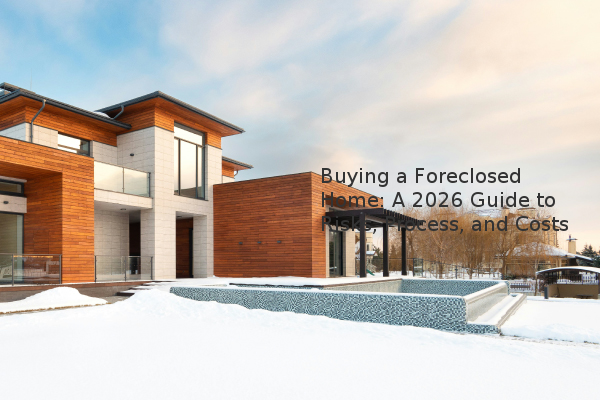
Purchasing a foreclosed home can offer a path to homeownership below market value, but it requires navigating a complex process with significant risks. Based on our experience assessment, a successful foreclosure purchase hinges on thorough due diligence, including a professional inspection (if permitted), understanding cash-only auction requirements, and budgeting for substantial, often unforeseen, repair costs. This guide outlines the essential steps and potential pitfalls for buyers in 2026.
Finding a foreclosed home involves methods similar to a traditional home search, with additional government-focused avenues. Many properties are listed on standard real estate websites. However, a more direct approach is to search county government resources. You can typically find foreclosure listings by searching online for your specific county and state followed by the term "home foreclosure," focusing on official .gov or .org websites. Contacting your county clerk's office is another effective method to learn about upcoming foreclosure auctions. These auctions can be held in person at a government building or at the property itself. Engaging a local real estate agent experienced in foreclosure transactions can also provide valuable assistance in locating and evaluating potential properties.
Once you identify a property of interest, an in-person evaluation is a critical first step. Since foreclosures are often sold "as-is," meaning the seller makes no guarantees about the property's condition, a pre-auction interior inspection may not be allowed. Therefore, you must assess what you can from the exterior. Drive by the property to evaluate its external condition and the surrounding neighborhood. This initial visit helps you determine if the property is a potential gem or a severely dilapidated structure, informing your decision to pursue it further.
The financial and physical condition of a foreclosed property presents the biggest challenges for buyers. If the auction rules allow for it, a thorough home inspection by a licensed professional is non-negotiable. This inspection should focus on the foundation, roof, major systems (like plumbing and electrical), and signs of pest infestation. Be aware that lenders typically do not provide the standard disclosure statements that detail a home's known issues. If an interior inspection is not possible before the auction, the financial risk increases significantly.
Financing the purchase is another major hurdle. Many foreclosure auctions require an all-cash purchase. It is essential to read the auction rules carefully beforehand. Commonly, a winning bid requires an immediate cash deposit of 10% of the purchase price, with the remaining balance due in full within 30 days. You must have a definitive payment plan in place before bidding. Auctions can be competitive, so establishing a strict maximum budget and adhering to it is crucial to avoid overpaying for a property that will already require additional investment.
The bargain price of a foreclosed home often comes with hidden costs that can erase any initial savings. The most significant is repair expenses. Previous owners who could not afford their mortgage likely deferred basic maintenance. Furthermore, properties often sit vacant for months, leading to deterioration. Common issues include plumbing leaks, electrical problems, and roof damage. You should budget for these potential repairs.
| Common Foreclosure Repair | Estimated Cost Range (2026) |
|---|---|
| Roof Replacement | $8,000 - $15,000 |
| HVAC System Repair/Replacement | $5,000 - $12,000 |
| Mold Remediation | $2,000 - $6,000 |
| Major Plumbing Repair | $1,500 - $5,000 |
Another critical risk is mold growth, which can thrive in vacant, damp properties. A standard inspection might miss it. If you gain access, a simple "white glove" test—swiping a surface to check for unseen residue—can indicate potential mold, warranting a specialized assessment. Beyond physical repairs, you may face a lengthy legal eviction process if the previous occupants refuse to leave peacefully. Understanding your state's specific foreclosure and eviction laws is essential, and you should be prepared to cover legal fees.
To mitigate these risks, prioritize a professional inspection, secure financing (or cash) upfront, and meticulously research the property's title to ensure there are no outstanding liens. A title search, often conducted by a real estate attorney, is vital to uncover any existing claims or debts against the property that you would become responsible for. While buying a foreclosure can be a strategic investment, it is best suited for buyers who are financially prepared for unexpected costs and comfortable with a higher level of risk compared to a traditional home purchase.