Browse

Log in / Register
 Share
Share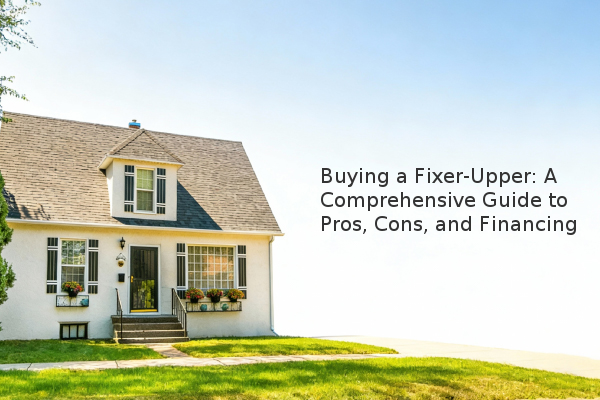
Buying a fixer-upper can be a strategic path to homeownership, offering a lower purchase price and the potential for significant equity growth. However, this route requires careful financial planning, a high tolerance for project management, and a realistic assessment of renovation costs. The key to a successful fixer-upper purchase is ensuring the total investment—including the purchase price and all repairs—does not exceed the home’s potential market value after renovation.
A fixer-upper is a residential property that requires repairs, which can range from superficial cosmetic updates to major structural renovations. While many are habitable, they typically demand more immediate investment and effort than a turnkey home. Understanding the balance of risks and rewards is essential before making an offer.
A successful purchase hinges on selecting the right property. Focus on these critical factors:
Is the Location Desirable? Location is the most important factor for resale value. Prioritize fixer-uppers in established neighborhoods with good schools, access to amenities, and low crime rates. Updates made to a home in a strong location will yield a higher return than the same updates in a declining area.
Is the Layout and Size Suitable? Evaluate if the home’s fundamental size and room flow meet your needs. While walls can be moved, altering a floor plan is a major expense. Opening a load-bearing wall can cost between $1,000 and $10,000 or more, depending on complexity.
What is the Overall Condition? Seek properties that primarily need cosmetic updates, which are more manageable and cost-effective. These include:
What Does the Home Inspection Reveal? A thorough inspection by a qualified professional is non-negotiable. Pay close attention to the roof, foundation, HVAC system, and plumbing. Based on the inspector's findings, you may need specialized inspections for pests, mold, or lead paint. Use the inspection report to renegotiate the price or, in severe cases, walk away from the deal.
Traditional mortgages are designed for move-in-ready homes. For a fixer-upper, consider these common renovation loans:
| Loan Type | Minimum Down Payment | Minimum Credit Score | Best For | Key Limitations |
|---|---|---|---|---|
| FHA 203(k) Standard | 3.5% | 580 | Major renovations, structural repairs | Requires a HUD consultant; no luxury upgrades |
| FHA 203(k) Limited | 3.5% | 580 | Minor cosmetic fixes, non-structural repairs | Repair costs capped at $35,000 |
| Fannie Mae HomeStyle | 3% - 5% | 620 | Projects requiring a licensed contractor | Maximum loan-to-value ratio of 97% |
| CHOICERenovation | 3% - 5% | 620 - 660 | Energy efficiency, disaster-proofing | Renovation costs cannot exceed 75% of the home's value |
Consult with a lender to determine which loan program aligns with your financial situation and renovation goals.
Purchasing a fixer-upper is a major decision that blends opportunity with risk. Success depends on a realistic budget that includes a substantial contingency fund, a meticulous home inspection, and a clear-eyed view of the renovation timeline. By focusing on a home in a prime location that needs mostly cosmetic work, you can maximize your investment and create a property that truly feels like your own.