Browse

Log in / Register
 Share
Share
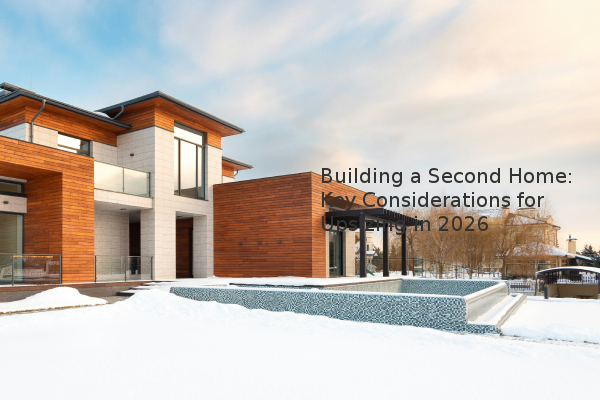
For homeowners considering a second, larger property, the decision involves a detailed assessment of financial readiness, lifestyle needs, and long-term real estate strategy. Based on our experience assessment, the process is less about the allure of a new build and more about a pragmatic evaluation of equity, ongoing costs, and market timing. Upsizing to a second home is a major financial commitment that requires careful planning beyond the initial purchase price.
The most significant factor is understanding the full scope of costs. Beyond the purchase of the land and construction, homeowners must budget for property taxes, insurance, and maintenance on a larger scale. A custom build often includes features that increase ongoing expenses, such as expansive landscaping, pools, and specialized amenities. It is crucial to have a solid financial plan that accounts for these long-term carrying costs alongside the mortgage. Financing a second home often involves using equity from the first property, which requires a careful analysis of current interest rates and loan terms.
Timing a move to a larger home depends heavily on personal equity and local market conditions. A key step is to obtain a current market analysis for your existing home to understand its value. Selling your current home at a market peak can provide substantial capital for the new build. However, if the new property will not be ready immediately, you must plan for interim housing, which adds another layer of cost and complexity. It is generally advisable to upsize when you have significant equity and a stable, predictable income to support the increased financial responsibility.
This is a critical decision with significant implications. Selling the first home provides a clear source of funds for the new purchase, simplifying the financial transition. Alternatively, turning the first property into a rental can generate passive income. However, this requires becoming a landlord, which involves managing tenants, upkeep, and understanding landlord-tenant laws in your state. Converting a primary residence into a rental property introduces new tax considerations and operational responsibilities. Based on our experience assessment, this decision should be made in consultation with a financial advisor to model the potential returns against the risks.
When designing a new home, focus on features that align with your long-term lifestyle rather than fleeting trends. Practical considerations often outweigh purely aesthetic ones. For example, dedicated spaces for hobbies or work, energy-efficient systems, and low-maintenance materials can provide greater daily value. It is also wise to consider resale value; highly personalized designs may not appeal to future buyers. Prioritizing functional layout and quality construction over extravagant customizations typically offers a better return on investment.
New construction is notorious for delays and cost overruns. Unforeseen issues with materials, labor, or weather can extend the timeline significantly. It is essential to build a contingency fund of at least 10-20% of the total project cost to cover these unexpected expenses. A detailed contract with the builder that outlines milestones, payment schedules, and specifications is your best defense against budget inflation. Regular site visits and communication with the project manager are vital to ensure the project stays on track.
Building a second home is a multifaceted endeavor. Success hinges on realistic financial planning, a clear understanding of your needs versus wants, and a strategic approach to managing your existing real estate assets. By focusing on these core areas, you can navigate the complexities of upsizing and make a decision that supports your financial and personal goals for years to come.