Browse

Log in / Register
 Share

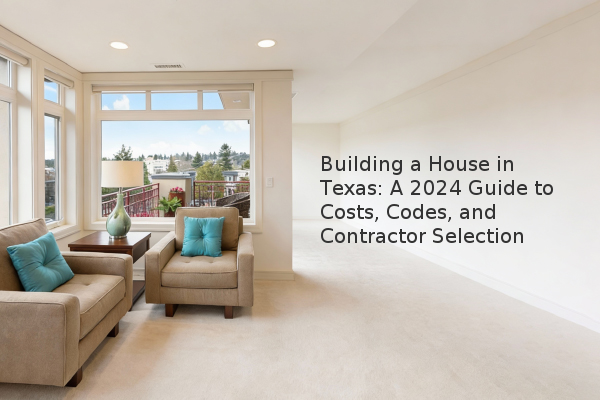
Building a custom home in Texas requires navigating a unique set of challenges, from extreme weather to specific local regulations. Based on our experience assessment, a successful project hinges on three core pillars: establishing a realistic budget with a contingency fund, selecting a builder with verifiable local experience, and designing for the Texas climate. This guide outlines the essential steps, from initial planning to final construction, to help you avoid common pitfalls.
Before breaking ground, thorough financial and logistical planning is critical. Your first step should be to establish a comprehensive budget. In regions like Dallas, construction costs can range from $200 to $300 per square foot, influenced by material and labor prices. You should explore financing options like a construction loan, a short-term loan used to fund the building process.
It is imperative to include a contingency fund of at least 10-15% of your total budget to cover unexpected issues, such as weather delays or supply chain disruptions. Simultaneously, develop a realistic timeline with your builder that accounts for Texas’s unpredictable weather patterns, including intense heat and heavy rains, which can cause significant construction delays.
Texas does not have a mandatory statewide license for general contractors, making due diligence on your part essential. Building codes and regulations can vary significantly by municipality. For example, cities like Austin have complex land development codes and multi-layered permitting processes involving several city departments.
You must research the specific requirements in your city or county by visiting local government websites or contacting permitting authorities directly. Engaging a builder with proven experience in your specific locale is one of the most effective ways to navigate these regulatory hurdles smoothly.
Given the lack of statewide licensing, vetting your builder is a crucial step. While a license may not be required, you should look for other indicators of credibility. Reputable builders often hold certifications like the Graduate Master Builder (GMB) designation and are members of professional organizations such as the Texas Association of Builders or its local chapters.
Always ask for a list of references from clients over the past three years and personally verify their work. Visit completed and ongoing construction sites to assess the quality of their craftsmanship. A builder with extensive local experience will be familiar with regional challenges, from soil conditions to weather-resistant building techniques.
Designing a home that can withstand the Texas climate is paramount for long-term comfort and efficiency. Consider these key elements:
The location of your homesite will influence your build's cost, safety, and lifestyle. When selecting a lot, prioritize elevated sites that are not in a designated floodplain. Larger lots can accommodate popular single-story ranch-style homes and provide privacy. Maintain natural tree coverage for shade, which can significantly reduce cooling costs. Ensure the location aligns with your daily needs, including proximity to work, schools, and amenities.
Building a house in Texas is a complex but achievable goal. By creating a detailed budget, thoroughly vetting your builder, understanding local regulations, and designing for the climate, you can navigate the process successfully. The key to a smooth build is partnering with experienced local professionals who can guide you through the unique aspects of Texas home construction.