Browse

Log in / Register
 Share
Share
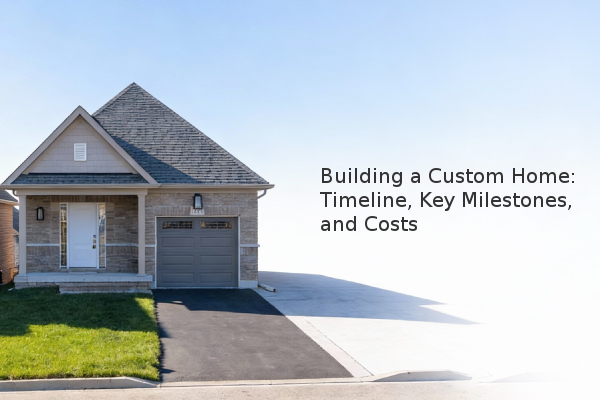
Building a custom home typically takes two years or more, from purchasing land to final completion. This timeline is influenced by factors like permitting, weather, and supply chain logistics. For prospective homeowners, understanding the key stages of construction—from groundbreaking to final landscaping—is crucial for managing expectations and budgets.
What Are the Key Milestones in the Custom Home Building Process? The construction process follows a logical sequence. It begins with groundbreaking and site preparation, which includes laying the foundation. The next major phase is the framing stage, where the home’s structure becomes visible. Following this, contractors install critical systems like plumbing, electrical, and HVAC—often referred to as the "rough-in" stage. Once the walls are closed up with drywall, the focus shifts to interior finishes: flooring, cabinetry, and painting. A significant milestone indicating the project is nearing completion is the installation of exterior elements like landscaping and final hardscaping, such as a lawn or pool. The arrival of these features often signals that the project is in its final stages before the final walkthrough.
What Amenities Are Popular in Modern Custom Builds? Based on trends in new construction, homeowners are prioritizing personalized spaces that enhance daily living and entertainment. Common high-demand amenities include:
The table below outlines potential costs for these popular amenities, though prices vary significantly by region and material quality.
| Amenity | Estimated Cost Range (Mid-Quality) | Notes |
|---|---|---|
| Home Theater | $20,000 - $70,000 | Includes audio/visual equipment and soundproofing. |
| Swimming Pool | $50,000 - $100,000 | Size and additional features (e.g., spa) impact cost. |
| Custom Kitchen Backsplash | $5,000 - $15,000 | Material choice (e.g., marble) is a major cost factor. |
| Pet Spa | $2,000 - $10,000 | Typically includes a bathing station and grooming area. |
How Does Relocation Impact Custom Home Ownership? A custom home is a long-term investment, but life circumstances like a job relocation can necessitate a move. In such cases, homeowners have options. Some may choose to sell the newly built property, while others might retain it as a long-term rental or secondary residence. For temporary moves related to career demands, renting a property in the new location can be a flexible solution while the custom home is maintained. This decision is highly personal and depends on financial goals and future plans.
Practical Advice for Your Custom Home Build Embarking on a custom build requires careful planning. Secure financing early and have a contingency fund of 10-15% of the total budget for unexpected costs. Select a reputable builder with a proven track record and clear communication practices. Visit the site regularly to monitor progress, but maintain a good working relationship with your contractor by trusting their expertise. Finally, document the entire process with photos; this can be useful for future reference and adds a personal narrative to your home's story.
Building a custom home is a complex journey, but understanding the timeline, popular features, and how to navigate life changes can lead to a successful and rewarding outcome.