Browse

Log in / Register
 Share
Share

Building a custom home is a significant undertaking that requires careful planning, patience, and a clear understanding of the process. Based on our experience assessment, the entire journey from initial design to receiving the keys typically spans three to five years, with construction delays and regulatory approvals being the most common factors extending the timeline. This article outlines the key phases, from design and HOA approvals to breaking ground and final closing, to help you set realistic expectations for your custom build project in 2026.
What is the first step in building a custom home? The process begins with the design phase, which itself can be a lengthy endeavor. You will work with architects and designers to create detailed plans that meet your specifications. This stage involves selecting everything from the floor plan to the finishes. It is not uncommon for the design process alone to take over a year to finalize. Once the designs are complete, the next critical step is submitting them for approval to the relevant authorities, which may include a Homeowners Association (HOA)—a private organization that makes and enforces rules for a community of properties. HOA approvals can add several months to your timeline, so it is crucial to factor this in from the beginning.
How long does the actual construction take? After breaking ground, the physical construction begins. While builders may provide an estimated timeline, it is important to understand that these are often best-case scenarios. Delays due to weather, supply chain issues for materials, and labor availability are common. Based on industry data from the National Association of Home Builders, single-family custom home construction can take anywhere from 10 to 16 months under current market conditions. It is prudent to build a contingency of several months into your budget and schedule to account for unforeseen setbacks.
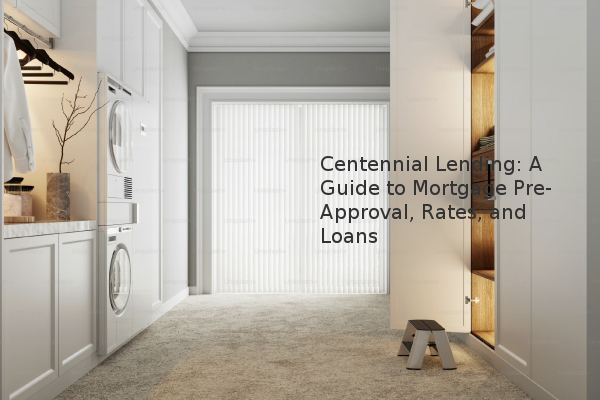
What are some unique considerations for a custom build? A custom home allows for personalized amenities that suit your lifestyle. This could include specialized spaces like a pet spa room with dedicated washing stations or his-and-hers laundry setups to streamline household tasks. Integrating these custom elements requires precise planning during the design phase and clear communication with your builder to ensure they are executed correctly. These personalized features contribute to the final cost and can impact the construction schedule, but they are what make the home uniquely yours.
| Phase | Estimated Duration (2026) | Key Considerations |
|---|---|---|
| Design & Planning | 12-18 months | Architect selection, HOA approvals, finalizing specs |
| Construction | 10-16 months | Weather, material availability, labor |
| Final Closing | 1-2 months | Final walkthrough, securing title insurance (protection against ownership disputes), and transfer of keys |
What should you expect during the final closing? The final closing is the last step, where ownership is legally transferred. This involves a final walkthrough to ensure everything is completed to the agreed-upon standards. You will work with a title company to secure title insurance and settle any remaining costs. It is essential to review all closing documents carefully before signing. Upon completion, you will receive the keys to your new home, marking the end of a multi-year journey.
Building a custom home is a marathon, not a sprint. Setting a realistic timeline with built-in buffers for approvals and construction delays is the most effective way to manage expectations. Working with experienced, reputable contractors and maintaining clear communication throughout the process can help mitigate frustrations. Ultimately, thorough planning and patience are the keys to successfully navigating the complex process of creating your dream home.