Browse

Log in / Register
 Share
Share
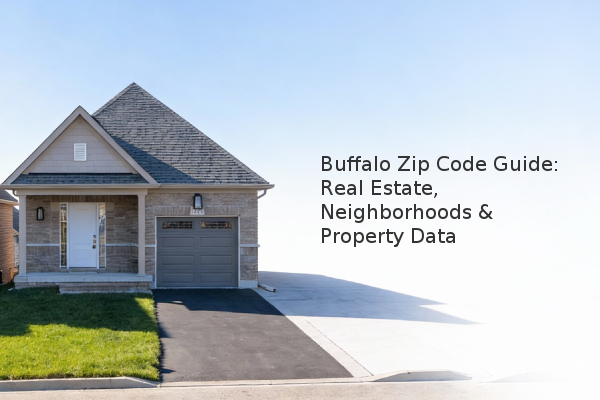
Understanding Buffalo zip codes is essential for making informed real estate decisions, as each code corresponds to distinct neighborhoods with varying property values, school districts, and tax rates. This guide provides a data-driven overview of how zip codes influence the local housing market, helping you target your search effectively. The key takeaway is that a zip code is more than just a mailing address; it's a direct indicator of market conditions, affordability, and lifestyle.
How Do Buffalo Zip Codes Affect Real Estate Prices? Zip codes in Buffalo, New York, create micro-markets with significant price disparities. Property taxes, which are a major ongoing cost for homeowners, are calculated based on municipal assessments within these zip code areas. For example, homes in the 14221 zip code (Amherst) typically command higher prices due to factors like top-rated school districts and lower crime rates. The table below illustrates the approximate median home sale price ranges in key Buffalo zip codes based on recent market data:
| Zip Code | Primary Area(s) | Median Home Price Range (Single-Family) |
|---|---|---|
| 14221 | Amherst | $350,000 - $500,000+ |
| 14222 | North Buffalo | $250,000 - $400,000 |
| 14226 | Orchard Park | $300,000 - $450,000 |
| 14213 | West Side / Elmwood Village | $200,000 - $350,000 |
| 14215 | East Side | $80,000 - $150,000 |
These figures are estimates and highlight the importance of researching specific zip codes to align your budget with your goals, whether you're buying or renting.
What Should Homebuyers Look for in a Zip Code? Beyond the sale price, homebuyers must evaluate several zip code-specific factors. Title insurance is a crucial one-time cost that protects against ownership disputes, and its premium can be standard across New York State. However, other costs vary. You should investigate the effective property tax rate, which is the percentage of your home's assessed value that you pay annually. Also, consider proximity to employment hubs like the Buffalo Niagara Medical Campus and access to amenities. A zip code with a higher price tag often reflects lower maintenance costs and better access to services.
Are There Specific Considerations for Investors and Landlords? For real estate investors, zip code data is invaluable for analyzing rental yield potential. Areas with lower median home prices, such as parts of the 14207 zip code, might offer higher gross rental yields but may also involve different management considerations. It is critical to research vacancy rates, rental demand from local universities or hospitals, and local landlord-tenant laws, which are uniform across zip codes but enforced at the city level. A thorough analysis of a zip code's economic trends will provide a more predictable investment outcome.
Key Takeaways for Your Buffalo Real Estate Search