Browse

Log in / Register
 Share
Share
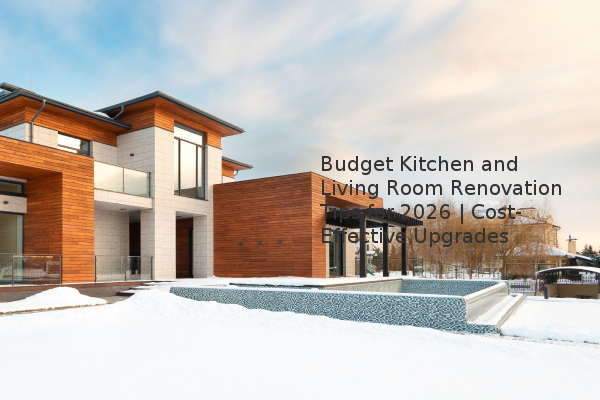
For homeowners, a budget of $50,000 can significantly transform key living areas like the kitchen and living room through strategic material choices and smart design. By prioritizing cost-effective alternatives to luxury materials and incorporating clever spatial tricks, it's possible to achieve a high-end look without a high-end budget. Key strategies include using faux marble countertops, employing a varied paint color palette, and creatively installing tiles to add custom character.
One of the most effective ways to save money without sacrificing style is by selecting manufactured alternatives to natural materials. For a kitchen, the countertop is a focal point that needs to be durable and aesthetically pleasing. Instead of opting for expensive natural stone, a faux marble countertop—a manufactured product designed to mimic the look of real marble—can provide a similar visual impact at a fraction of the cost. This approach allowed for a design upgrade, such as a waterfall edge on the kitchen island, where the countertop material continues vertically down the side. Based on our experience assessment, this combination can create an instant impression of luxury for around $4,200, demonstrating that look-alike materials are a practical choice for a stylish, budget-conscious renovation.
A common mistake in home design is using a single color throughout a space, which can feel flat and monotonous. Introducing a complementary yet contrasting color palette adds depth and interest. For example, painting a kitchen island a bold navy blue and choosing a very light, bright green for the walls creates a dynamic contrast that makes each color stand out. This technique prevents the space from feeling too "matchy-matchy" and allows different areas to have their own identity while still feeling cohesive. This strategic use of color is a low-cost, high-impact way to elevate the entire room's design.
The way tile is installed can be as important as the tile itself when aiming for a custom look. Instead of using a standard vertical or horizontal layout, consider alternative patterns. For a midcentury modern aesthetic, a simple white hexagon tile for a backsplash can be installed horizontally to create a unique visual effect. This approach requires no additional material cost, only a thoughtful plan during installation. It proves that thinking creatively about the direction and pattern of tiles—whether for a kitchen backsplash, shower wall, or floor—can deliver a bespoke appearance that breaks away from standard expectations.
Many older homes have functional elements, like radiators, that can detract from a room's aesthetic. Instead of costly removal or relocation, a simple and cost-effective solution is to build or install a decorative radiator cover. These covers act as boxes that conceal the radiator while providing a stable surface that can sometimes be used as a shelf or seat. By choosing a design that ties into other motifs in the home—such as a hexagon pattern that echoes a kitchen backsplash—the cover becomes an integrated design element rather than an eyesore. This is an inexpensive way to improve the cohesion and finished look of a room.
Furnishing a newly renovated space can quickly consume a budget. A strategic approach is to blend new pieces with existing furniture and select antiques. This mix-and-match method prevents the need to purchase an entirely new set of furnishings, which can be prohibitively expensive. By sprinkling in a few key new items and thoughtfully incorporating what the homeowners already own, the space feels collected and personal rather than sterile. Based on our experience assessment, this can keep furnishing costs manageable, for instance, around $12,000 for a significant area, while creating a layered, inviting atmosphere.
For families, creating rooms that serve multiple purposes is key to functionality. While not always part of the main renovation, planning for spaces like a combined home office and playroom is a smart long-term consideration. Using a faux glass wall, such as one made from plexiglass, can visually divide a room without completely closing it off. This allows a parent to work while keeping an eye on children, merging two functions into one area. The transparent barrier helps contain noise and maintain a visual connection, making the space adaptable to various family needs. To maximize a renovation budget, focus on material alternatives, strategic color use, and creative installation techniques. Blending old and new furnishings and planning for multifunctional use can further enhance a home's value and livability without exceeding financial constraints.