Browse

Log in / Register
 Share


Adding character to a home without exceeding a tight budget is achievable through strategic, cost-effective renovations that focus on key areas like the exterior, windows, and interior accents. Based on current real estate assessments, such improvements can significantly boost curb appeal (the visual attractiveness of a property from the street) and potentially increase property value by appealing to modern buyer preferences. For homeowners or buyers looking to personalize a generic space, prioritizing DIY-friendly updates and repurposing existing features offers a high return on investment, with exterior enhancements often recouping up to 70% of costs according to 2024 data from the National Association of Realtors. This approach aligns with 2026 market trends where affordability and charm are top priorities.
Enhancing the exterior of a home can be done cost-effectively by avoiding full replacements and instead opting for cosmetic upgrades. For instance, wrapping outdated columns with wood to create a squared-off look is a budget-friendly alternative to installing new ones. This method, which involves encasing existing structures, saves on material and labor costs while instantly modernizing the facade. Based on our experience assessment, such updates can improve perceived home value by emphasizing durability and style without major renovations. Homeowners should focus on repairs that address visual flaws rather than functional issues, as this maximizes impact per dollar spent.
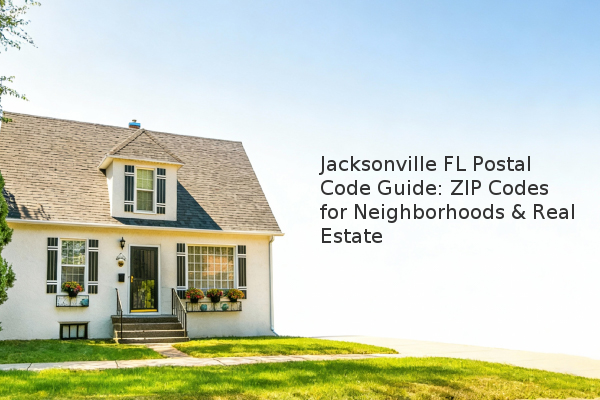
Installing faux window mullions (decorative grids that mimic divided light panes) is an affordable technique to infuse character into plain windows. Unlike traditional mullions that are part of the glass, vinyl or wood alternatives can be adhered directly to the surface, offering a timeless aesthetic like Tudor or cottage styles at a fraction of the cost. This approach avoids the expense of window replacement while enhancing light distribution and architectural interest. Recent housing data indicates that window upgrades can increase home value by 3-5%, making this a smart investment for sellers aiming to attract buyers seeking historic charm.
Incorporating wood elements, such as a new mantel, cased openings, or ceiling beams, adds historic warmth and depth to living areas. Using aged oak or reclaimed wood treated with sealants creates an authentic feel without waiting for natural patina. These accents draw attention to focal points like fireplaces, making spaces feel cozy and inviting. From a real estate perspective, wood features are often associated with higher quality and can justify a premium price, especially in markets where rustic or traditional designs are favored. Homeowners should prioritize accents that complement existing structures to maintain cohesion.
In the kitchen, painting cabinets in wood-toned hues and adding functional storage solutions like hanging rails can transform the space on a budget. Painting offers a fresh look without the cost of full cabinet replacement, while rails for items like coffee cups free up cabinet space and add architectural detail. These updates address common buyer concerns about storage and aesthetics, potentially increasing the home's appeal during showings. Based on 2025 remodeling impact reports, minor kitchen renovations yield an average ROI of 80%, emphasizing the importance of cosmetic overhauls in competitive markets.
To maximize results, homeowners should plan renovations around high-impact, low-cost projects and consult local real estate trends to ensure alignment with buyer expectations. Focus on exterior and kitchen updates first, as these areas consistently influence sale prices. Always verify that changes comply with local building codes and use materials that enhance durability. While outcomes vary by market, these strategies provide a predictable path to enhancing home character affordably in 2026.