Browse

Log in / Register
 Share

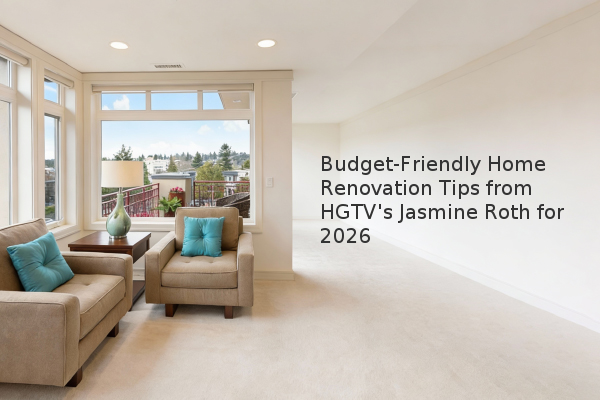
For homeowners considering renovations in 2026, the core strategy is to maximize personalization and impact without overspending. Based on insights from HGTV's Jasmine Roth, focusing on paint, preserving original character, and incorporating handmade elements can transform a space with a manageable budget. These approaches prioritize emotional value and community connection, often leading to a higher satisfaction Return on Investment (ROI), a term used to measure the financial and personal benefits gained from a project relative to its cost.
A simple yet powerful upgrade is a fresh coat of paint. Roth emphasizes that this is one of the most underestimated tools for homeowners. A large, blank wall can be transformed with a painted mural or an accent color, creating a significant visual impact for a relatively low cost. This strategy requires more creativity than capital, making it ideal for those working with financial constraints. The key is to view paint not just as a background finish but as a primary design element that can define a room's atmosphere.
Another highly effective, budget-conscious approach is to personalize the space with unique, meaningful items. Instead of opting for mass-produced fixtures, consider supporting local artisans or creating custom pieces. This could involve commissioning a local potter for a tile backsplash or finding handmade decor from a community market. These elements ensure your home tells a story and reflects your personality, which contributes significantly to how much you enjoy the space daily.
Before starting any demolition, Roth advises conducting a thorough assessment to identify what original features can be saved. In many homes, especially older ones, elements like original woodwork, unique architectural details, or vintage hardware contribute irreplaceable character. The first step in any renovation should be to "identify and preserve" these features. This process not only maintains the home's soul but can also be more sustainable and cost-effective than buying all-new materials.
Once the elements to save are identified, the renovation can proceed around them. This method ensures that the final result feels authentic and layered, rather than like a sterile new construction. Preserving character is particularly important for maintaining curb appeal and historical value, especially in neighborhoods with a distinct architectural style.
The ultimate goal of a renovation should extend beyond mere repair or update; it should be to create a home that is a true extension of your identity. A space that feels genuinely personal provides daily comfort and joy. Roth highlights that projects feel most successful when they transition from being simple "renovations" to acts of "personalization." This could mean designing a kitchen that perfectly suits your cooking habits or a living room that accommodates your family's specific needs for gathering.
This focus on personalization often leads to better long-term satisfaction than simply following fleeting design trends. When your home aligns with your lifestyle and values, it enhances your quality of life. This approach is particularly valuable in 2026, as homeowners continue to prioritize spaces that support wellness and personal fulfillment.
To successfully navigate a 2026 home renovation: start by identifying what original features you can preserve, leverage the transformative power of paint for high-impact changes, and prioritize personalized, handmade elements over generic upgrades for a home that truly reflects you.