Browse

Log in / Register
 Share
Share
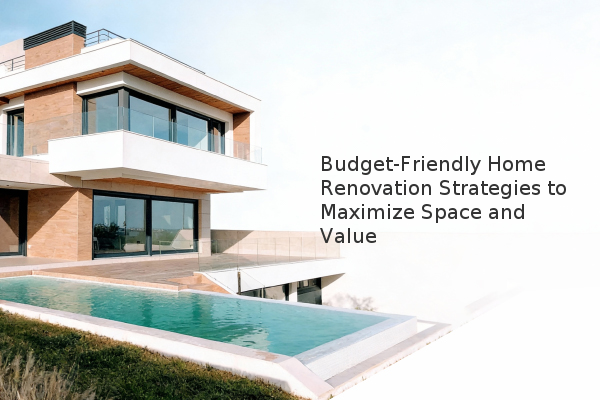
Strategic home renovations can significantly enhance your living space and property value without requiring a massive budget. Based on our experience assessment, focusing on high-impact, cost-effective updates like bold exterior colors, durable flooring, and multi-functional storage solutions can yield a strong return. This approach is particularly valuable in the current 2026 real estate market, where buyers prioritize move-in-ready homes with modern amenities. The following strategies, supported by design principles from industry professionals, provide a practical roadmap for homeowners.
How can a simple exterior update increase curb appeal? A home's exterior is the first thing visitors and potential buyers see, making curb appeal a critical factor in perceived value. A fresh coat of paint in a modern, bold color is one of the most cost-effective ways to achieve a significant transformation. For example, replacing a plain white facade with a brilliant blue can instantly give a property a updated, retro vibe. This simple change, complemented by upgraded lighting and landscaping, makes a building stand out. Enhancing curb appeal is a primary step in increasing property value, as it creates a positive first impression that can influence a buyer's entire perception of the home.
What are durable and affordable alternatives to outdated flooring? Replacing worn-out flooring is a key interior upgrade. Older materials like white tile can make a space feel dated. A popular and practical alternative is luxury vinyl plank (LVP), a type of synthetic flooring designed to mimic wood or stone. LVP is known for its durability, water resistance, and ability to withstand high foot traffic, making it ideal for active families and common areas. It is generally more affordable and easier to install than hardwood or natural stone. For additional style on a budget, stenciling a pattern onto existing surfaces like a bar or accent wall offers a custom look without the expense of full replacement.
How can you create more functional space in a compact dining area? Maximizing space in a dining room often involves rethinking the layout rather than expanding the square footage. Replacing a bulky peninsula with a freestanding island that is paired with a large table can create the illusion of a more expansive seating area. This combination can effectively increase seating capacity from four to seven people without altering the room's dimensions. The key is to ensure the island and table work together visually, creating a cohesive and functional space for both daily living and entertaining. This approach is especially valuable in homes where hosting family and friends is a priority.
What storage solutions work best for a busy household? Efficient storage is essential for maintaining an organized home, particularly for families. Multi-purpose furniture, such as a storage bench with a built-in board and batten design, offers both seating and organization. Incorporating adjustable pegs allows for customization based on immediate needs; more pegs can be added for hanging backpacks when children have friends over, or fewer can be used to create a simple seating area. This flexibility ensures the storage solution evolves with the family's requirements, providing long-term value and reducing clutter in high-traffic zones.
Do open shelves make a kitchen feel larger? In kitchen design, the choice between upper cabinets and open shelving can dramatically affect the sense of space. Open shelves can create a more open and airy feeling compared to solid cabinet doors, which can sometimes make a kitchen feel enclosed. They provide easy access to frequently used dishes and offer an opportunity to display decorative items, adding personality. To prevent a cluttered look, it's important to style shelves thoughtfully. This design pairs well with modern countertop materials like quartzite, a durable engineered stone, contributing to a spacious and contemporary aesthetic.
Implementing these renovation strategies requires careful planning. Focusing on visual impact, material durability, and spatial functionality provides the greatest return on investment. Prioritize projects that align with your family's lifestyle and the broader trends in your local real estate market. By making strategic choices, you can create a home that is both enjoyable to live in and attractive to future buyers.