Browse

Log in / Register
 Share
Share
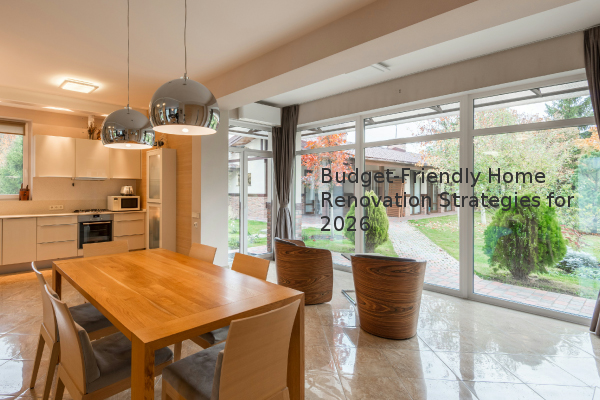
Executing a cost-effective home renovation requires strategic planning, focusing on high-impact, low-cost updates while knowing where to allocate funds. Based on our experience assessment, a successful budget remodel prioritizes cosmetic refreshes like paint and hardware, repurposes existing materials, and selectively invests in elements that significantly boost property value, such as bathroom tile. This approach can yield a substantial return on investment (ROI) without a full-scale rebuild.
How can landscaping impact a home's value and safety? Mature trees can enhance curb appeal, but certain species become liabilities as they age. For instance, Bradford pear trees are known to weaken and split, posing a risk to the home's structure. The cost of removing a large, damaged tree can be significant. A more budget-friendly and immediate solution is to plant smaller, hardy species like a Japanese maple. While young trees are less expensive, they add instant color and will mature over time, enhancing the property's value. This addresses both safety and aesthetic concerns without a major upfront investment. Proper landscaping is a critical factor in a home's appraisal.
What are effective ways to save on kitchen updates? A kitchen remodel offers one of the highest ROIs, but costs can escalate quickly. Instead of a full gut job, consider repurposing existing elements. For example, original wood paneling can be cleaned, repaired, and painted to serve as a unique and cost-effective backsplash, eliminating the need for new tile. Similarly, a dated peninsula or island can be transformed with a fresh stain or paint rather than being replaced. A stained-wood island introduces a touch of traditional design warmth and can become a focal point. Refinishing cabinets and updating hardware are among the most value-conscious kitchen upgrades.
Is a bathroom renovation always necessary for a fresh look? A complete bathroom overhaul is expensive and time-consuming. However, a "budget bathroom update" can deliver a dramatic transformation. This involves keeping the existing layout and focusing on cosmetic improvements. Painting the vanity, replacing old hardware (drawer pulls and knobs), and updating the mirror and light fixtures can modernize the space for a fraction of the cost. This strategy avoids the high expenses associated with plumbing relocation and new cabinet installation. New vanity hardware is a minimal investment that can overhaul the room's entire aesthetic.
When should homeowners splurge during a renovation? While saving money is a priority, strategic splurges are wise investments. In wet areas like bathrooms, quality materials are crucial for longevity. Investing in new, durable tile for the shower walls and floor can prevent water damage and mold, which are costly to remediate. Choosing a timeless, traditional pattern in neutral, warm tones ensures the design remains appealing for years, protecting your investment. This contrasts with trendy finishes that may date the property. Splurging on waterproofing and durable surfaces in key areas protects the home's long-term value.
Successfully renovating on a budget hinges on a balanced approach. Focus on high-visibility, low-cost cosmetic changes like paint and hardware first. Evaluate what existing features can be repurposed to save on materials and labor. Finally, know where to invest for durability and value, particularly in areas prone to moisture. Consulting with a professional for an assessment can help prioritize these tasks effectively.