Browse

Log in / Register
 Share

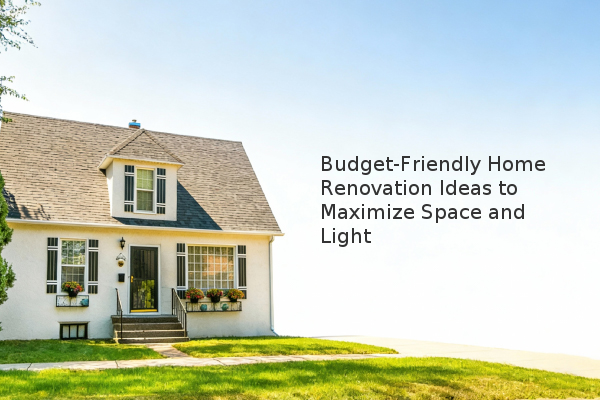
For homeowners with a renovation budget, strategic updates like multi-functional wooden slat dividers, dedicated focal point nooks, and bold, unified cabinet colors can transform a space without requiring a full-scale rebuild. Based on our experience assessment, focusing on features that enhance natural light, improve flow, and reflect personal style offers the highest return on investment and daily enjoyment. This approach is particularly effective for older homes that feel cramped or dated.
How can a simple divider make an entryway feel larger? A common issue in many homes is a narrow or dark entryway. Instead of a costly structural expansion, a well-designed divider can create the illusion of more space. A practical solution involves installing a floor-to-ceiling screen made of vertical wood slats. This design element, known as a screen wall, acts as a visual separator without the heaviness of a solid wall. By placing pin lights or small pendant fixtures between the slats, the feature serves a dual purpose: it defines the entry area while casting ambient light that makes the entire space feel brighter and more open. This method avoids the need for extensive demolition, making it a budget-conscious choice that significantly improves the home's first impression.
What is the best way to create a focal point for a unique item? Many living rooms feature a fireplace or entertainment center as the main attraction. However, for homeowners with a distinctive piece, like a musical instrument or a large piece of art, building a custom nook can elevate it to a centerpiece. The process involves constructing small flanking walls on either sides of the item to frame it. Adding accent paneling and dedicated lighting above the niche draws the eye directly to the featured object. This technique, often used by designers, gives the item a sense of importance and permanence, as if the house was built around it. It’s an effective way to celebrate a personal treasure while adding architectural interest to a room.
Should I choose one bold cabinet color or a two-tone design? The choice between a single bold color and a two-tone scheme for kitchen cabinets depends largely on the desired aesthetic impact. While two-tone cabinets (e.g., a neutral base with colorful uppers) are a popular and safe choice, committing to a single, vibrant hue across all cabinets can create a powerful and cohesive design statement. A color like teal or deep green, when applied uniformly, projects confidence and personality. This approach works well in kitchens with sufficient natural or artificial light to prevent the space from feeling too dark. The key is to balance the bold cabinets with simpler, neutral countertops and backsplashes to avoid visual overload. For those seeking a truly unique kitchen, a unified color palette is a definitive design move.
Is it better to mix and match light fixtures? Adhering strictly to matching light fixtures throughout a room can sometimes result in a sterile, showroom-like feel. For a more collected and personal look, consider mixing complementary but different pendant lights or sconces. The goal is to choose fixtures that share a common element, such as finish (e.g., all black metal) or material (e.g., all with glass shades), but vary in shape or size. This eclectic lighting strategy adds depth and character to a space, making it feel curated over time. In a kitchen, for example, using two different styles of pendants over an island can define zones and create visual interest without sacrificing cohesion.
How much color is too much for a wall? When designing a busy room, such as a home office or craft space, the wall color should act as a calming backdrop rather than a competing element. A highly saturated or bold wall color can clash with the vibrant items typically stored and used in these rooms, leading to a visually chaotic environment. Instead, selecting a light, neutral, or muted tone for the walls provides a versatile foundation. This allows for colorful organization bins, artwork, and materials to stand out without overwhelming the senses. The room's personality can then come from the functional elements and decor, which are easier and less expensive to change than repainting the entire space.
To successfully plan a renovation, prioritize features that solve specific layout problems, such as poor light or lack of flow. Incorporating multi-functional elements, like a lighted room divider, maximizes the impact of your budget. When personalizing, bold choices in color or lighting can define a space, but should be balanced with neutral elements to maintain harmony. Most importantly, design for your lifestyle; a craft room needs practical surfaces and storage, not just bold walls.