Browse

Log in / Register
 Share

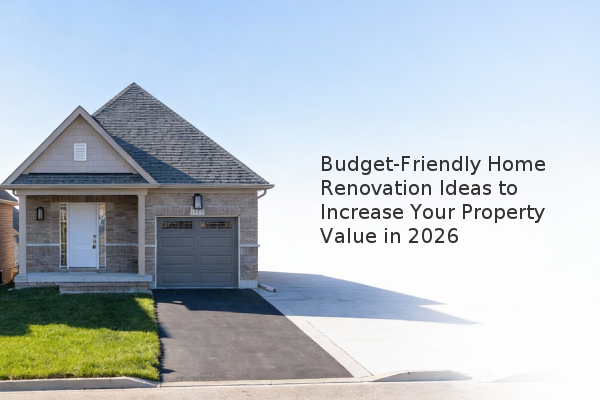
Home renovations, when planned strategically, can significantly enhance your living experience and increase your property's market value. Based on our experience assessment, focusing on high-impact, budget-conscious updates—like modernizing key surfaces and reconfiguring underutilized spaces—offers the best return on investment (ROI) for most homeowners. This approach avoids the high costs and complexities of major structural changes while delivering a fresh, functional home environment.
What are the most effective ways to modernize a dark and dated interior? A common challenge in older homes is a dark and heavy aesthetic, which can make spaces feel smaller and less inviting. Two of the most transformative solutions involve addressing the largest surfaces: floors and feature walls. Replacing dark, chestnut-colored flooring with light oak alternatives is a highly effective strategy. Lighter flooring reflects more natural light, creating an immediate sense of brightness and space that appeals to modern buyers. Similarly, an outdated stone fireplace can be a visual anchor in the wrong way. Instead of a full, costly demolition, consider a surface-level update. Applying a rough plaster overlay or a whitewash to the existing stone can lighten the feature dramatically, modernizing the entire room for a fraction of the cost and effort.
How can you add specialized function to a kitchen without a major remodel? The kitchen is the heart of the home, and adding dedicated stations for specific activities boosts its functionality. A trend gaining popularity is the creation of beverage stations. For instance, a dedicated tea or coffee station can be integrated into existing cabinetry. By remodeling a small section of a kitchen cupboard with a marble countertop, a tile backsplash, and organized storage, you create a personalized hub. For the ultimate convenience, installing an instant hot water faucet provides immediate access to hot water, streamlining the beverage-making process. This type of focused upgrade adds significant perceived value without requiring a full kitchen renovation.
Is it possible to create new functional space without building an addition? Absolutely. Many homes have underutilized spaces that can be converted into valuable functional areas. A classic example is the transformation of a spare closet. Converting a closet into a dedicated space, like a video game nook or a home office, maximizes your home's square footage without any new construction. The key is creative design. Installing a TV, comfortable seating, and clever lighting can turn a shallow closet into a prized retreat. For a seamless look, replacing the standard door with a custom cabinet-style door maintains a clean aesthetic when the space is not in use. This approach effectively adds a new "room" to your home's inventory of spaces.
What is a flexible solution for multi-purpose rooms? Open floor plans are desirable but can lack defined areas for specific activities like crafts or homework. A versatile solution is the introduction of a mobile island. A mobile craft or work island on locking wheels provides a dedicated surface and storage that can be moved as needed. This piece of furniture offers a stationary workspace when in use but can be tucked away to open up the room for other purposes. Drawers underneath keep supplies organized and out of sight, contributing to a tidy living environment. This flexibility is particularly valuable for families, allowing a single room to serve multiple functions throughout the day.
To maximize your renovation budget and impact, focus on cosmetic updates that lighten and brighten, reimagine existing spaces for new functions, and incorporate flexible, multi-purpose furniture. These strategies are proven to enhance daily living and are highly attractive to potential buyers, offering a strong potential for increasing your property's resale value.