Browse

Log in / Register
 Share
Share
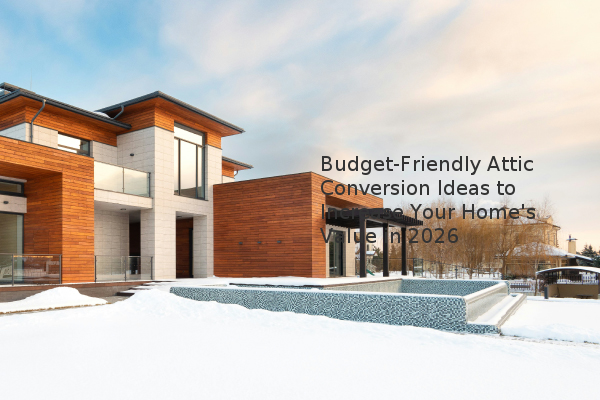
Transforming an unfinished attic into a functional living space is one of the most cost-effective ways to increase your home's square footage and overall value. Based on our experience assessment, a well-executed attic conversion can provide a significant return on investment (ROI) by creating a new bedroom, playroom, or home office. This guide outlines practical, budget-conscious strategies for a successful renovation, focusing on design choices that maximize impact without exceeding your budget.
How can color blocking make a large attic feel more inviting? Large, unfinished attics can feel cavernous and overwhelming. Instead of a single, potentially overpowering color, a strategic color-blocking technique can define the space and add character without a high cost. Color blocking involves painting different sections of a wall in contrasting yet complementary shades. A recommended approach is to use a light, creamy white on the upper half of the walls and ceiling to maintain an airy feeling, while a more saturated color like a muted green on the lower half adds depth. A bold black or dark gray strip between the two colors can introduce a crisp, custom look that echoes design elements found in vintage buildings. This method breaks up the vastness of the walls and creates visual interest far more effectively than a single flat color.
What is a low-cost way to create a custom focal point on a large wall? Blank walls in a large room present an opportunity for a high-impact, low-cost DIY project. Instead of expensive artwork or wallpaper, consider creating a hand-painted mural. Using a projector is a professional method to achieve a polished look without requiring artistic expertise. You can design lettering, a pattern, or a simple graphic on a computer, project the image onto the wall, and trace the outlines with a pencil or marker. Filling in the design with paint is an affordable next step. This approach allows for complete customization and adds a deeply personal touch to the space. The primary investment is your time, making it an ideal solution for homeowners seeking to create a unique statement piece on a tight budget.
Why are carpet tiles a practical flooring choice for an attic playroom? Choosing the right flooring is critical for both comfort and practicality, especially in a space intended for active use. While wall-to-wall carpeting is comfortable, installing it in a large area can lead to buckling or rippling over time. A superior alternative is commercial-grade carpet tiles. These modular squares are easier to install as a DIY project and can be replaced individually if a section becomes stained or damaged. Beyond their durability, carpet tiles offer creative flexibility. You can mix tiles of different colors or patterns to create custom designs, such as a checkerboard or a retro Swiss cross pattern. This transforms the floor into a design feature while providing a soft, safe surface for play, all at a manageable cost.
Can inexpensive bathroom tile be used to achieve a high-end look? In secondary spaces like a bathroom added during an attic conversion, you can achieve a stylish aesthetic without splurging on premium materials. The key is in the installation pattern. Simple, low-cost white subway tiles and black penny rounds can look incredibly sophisticated when arranged in a unique, graphic pattern. For a vintage-inspired look reminiscent of a 1920s locker room, consider combining these tiles on a wall in a bold, geometric layout. This strategy shifts the focus from the cost per tile to the creativity of the overall design. The result is a custom-looking space that is both easy to maintain and visually cohesive with the home's character, proving that design intelligence often outweighs a large budget.
How does lighting contribute to a multifunctional space? Adequate and adaptable lighting is essential for a room that serves multiple purposes, such as a playroom by day and a hangout space by evening. While installing new windows or skylights may be structurally complex, you can enhance the atmosphere with strategic artificial lighting. Plug-in LED light strips are a versatile and affordable solution. They can be installed under bunks, along beams, or in reading nooks and are often controllable via a remote or smartphone app, allowing you to change the color and intensity to suit different activities and moods. This type of lighting adds a fun, modern element that is particularly appealing for children's spaces and can make hidden nooks or secret rooms feel special and exciting.
Converting your attic is a strategic home improvement that prioritizes smart design over excessive spending. By focusing on techniques like color blocking, DIY murals, and modular carpet tiles, you can create a durable and attractive space. The most successful renovations are those where planning and creativity are valued as highly as the materials themselves. Always consult with a contractor to ensure your attic meets local building codes for safety and habitability before beginning any structural work.