Browse

Log in / Register
 Share

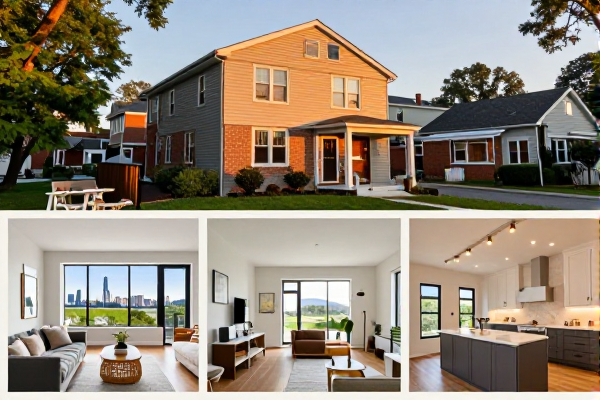
For anyone engaging with the Greater Boston real estate market in 2026, understanding the local area codes—primarily 617, 857, 781, 339, 978, and 508—is a practical necessity. These three-digit prefixes are more than just numbers; they are quick identifiers of a property's location, which can influence perception, connectivity, and even value. This guide provides an objective overview of how Boston's area codes function within the real estate context, helping you make more informed decisions whether you are buying, selling, or renting.
The Greater Boston area is served by multiple area codes, a result of population growth and increased demand for phone numbers. An area code is the three-digit number that prefixes a seven-digit local telephone number, designating a specific geographic region within the North American Numbering Plan (NANP). The original and most recognized code for the city of Boston itself is 617. Due to high demand, an overlay plan was implemented, adding the 857 code to the same geographic region. This means both 617 and 857 serve identical areas; receiving a call from an 857 number does not indicate a call from a distant suburb.
The surrounding suburbs are grouped under other area codes. The 781 and 339 codes cover communities north, west, and south of the immediate city, such as Newton, Quincy, and Waltham. Further out, the 508 and 978 codes serve a wide swath of Eastern and Central Massachusetts, including cities like Worcester and Framingham. The following table illustrates this geographic distribution:
| Area Code | Primary Geographic Coverage | Example Communities |
|---|---|---|
| 617 / 857 | City of Boston & immediate inner ring | Boston, Cambridge, Chelsea, Somerville |
| 781 / 339 | North, South, and Western suburbs | Brookline, Newton, Quincy, Waltham |
| 508 / 978 | Broader Eastern & Central Mass. region | Worcester, Framingham, Lowell |
When searching for properties online, the area code associated with a listing agent's contact number can be a subtle data point. A real estate agent with a 617 or 857 number may primarily operate within the city limits, potentially indicating deep hyper-local expertise in Boston's unique neighborhoods like Beacon Hill or Back Bay. Conversely, an agent with a 781 number might specialize in the suburban markets, understanding the nuances of school districts and commuter rail access in those areas. While not a definitive measure of an agent's capability, the area code can serve as an initial filter, suggesting a potential match based on your target location's specific market dynamics.
The perception of area codes can subtly influence property perception. Historically, a 617 number was associated with a prime Boston address, which could carry a cachet for some buyers or businesses. However, with the proliferation of mobile phones and number portability, this association has significantly weakened. A resident can keep their 617 number while living in a 508 area, and vice versa. Therefore, in 2026, it is not accurate to assign a direct premium or stigma to a property based solely on its landline's area code. The actual value is determined by concrete factors like property condition, neighborhood amenities, and market trends, not the telephone prefix.
In summary, while a Boston area code is not a primary factor in real estate valuation, it remains a useful tool for geographic orientation and understanding market specialization. Rely on verified property data and the expertise of qualified real estate professionals for your transactions, using the area code as a simple piece of the larger puzzle.