Browse

Log in / Register
 Share

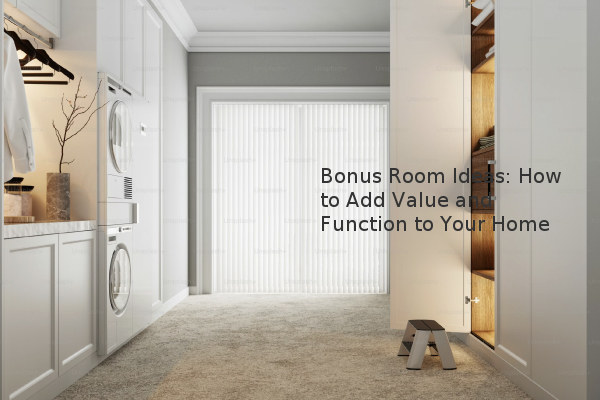
A well-designed bonus room—an extra, flexible space beyond the standard floor plan—can significantly enhance your home's functionality and potentially its resale value. Whether it's a converted attic, a finished basement, or an unused alcove, this space can be tailored to fit your lifestyle. According to industry assessments, a functional bonus room is a sought-after feature for many buyers, making it a smart investment for both current enjoyment and future ROI (Return on Investment). This guide provides practical ideas to transform this versatile area.
What Exactly is a Bonus Room? In real estate, a bonus room is an adaptable space not defined as a primary bedroom, kitchen, or bathroom. It is often a blank canvas for homeowners. Its value lies in its flexibility; it can serve as a home office, gym, playroom, or media center. When considering how to use this space, think about your needs and how the room's function might appeal to a broad range of potential future buyers, a key factor in curb appeal and overall home valuation.
Practical Bonus Room Concepts for Every Personality While the original text used zodiac signs as a creative framework, the core ideas translate into universally appealing design concepts. Here are optimized suggestions based on different lifestyle needs.
Creating a Dedicated Home Gym or Wellness Area For the active homeowner, converting a bonus room into a fitness center is a logical choice. This concept, inspired by an "active" personality, focuses on high-intensity workouts. Essentials include durable flooring, adequate ventilation, and storage for equipment like kettlebells or a treadmill. Installing wall mirrors can make the space feel larger and are useful for checking form during exercises. This dedicated space eliminates gym membership costs and adds a major convenience factor to your daily routine.
Designing a Serene Hobby or Craft Room If your passion is for quieter, creative pursuits, a hobby room is an excellent option. This idea suits those who value organization and creativity. Think modular furniture, sturdy worktables, and smart storage solutions for art supplies or crafting materials. A room flooded with natural light is ideal for activities like painting or potting plants. This type of space provides a dedicated area for projects, helping to contain clutter in other parts of the home.
Building a Luxurious Personal Retreat For those who see their home as a sanctuary, a bonus room can become a premium retreat. This could be a sophisticated lounge for listening to music, a cozy reading nook, or even a walk-in closet with a vanity. The key is to use rich colors, soft lighting, and high-quality textiles to create an atmosphere of comfort and luxury. Features like built-in shelving or a statement chair can define the room's purpose without making permanent, costly alterations.
Establishing a Functional Home Office or Study In today's world, a home office is more valuable than ever. A bonus room offers the perfect opportunity to create a productive workspace away from household distractions. A large desk, ergonomic chair, and organized shelving are fundamental. This space can also double as a quiet study or a command center for managing family schedules. A well-designed home office is consistently ranked as a top desired feature by home buyers, making this one of the most financially prudent uses for a bonus room.
Key Takeaways for Your Bonus Room Project To maximize the benefits of your bonus room, focus on versatility and quality. Choose a theme that complements your lifestyle but avoids overly personalized designs that might not appeal to everyone. Invest in good lighting and neutral color palettes as a base, allowing future owners to easily imagine their own lives in the space. Most importantly, ensure any renovations are permitted and completed to code to protect your home's value. A functional, well-executed bonus room is an asset that pays dividends in daily enjoyment and long-term equity.