Browse

Log in / Register
 Share

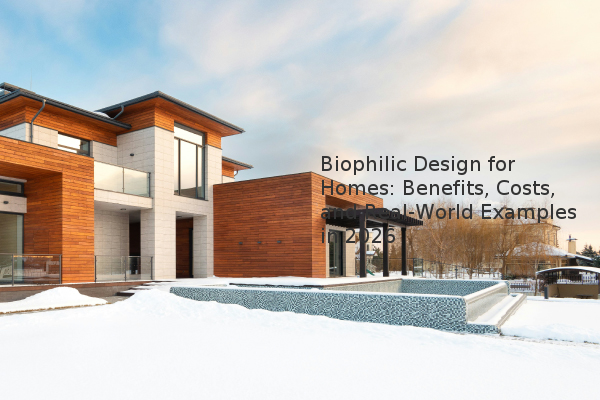
Integrating biophilic design—an architectural approach that connects occupants more closely to nature—into a residential property can enhance well-being and potentially increase property value, though it requires significant planning and investment. Based on our experience assessment, successful projects often involve natural materials, abundant light, and vegetation, but the costs can range from targeted retrofits starting around $30,000 to full-scale builds exceeding $3 million.
Biophilic design is a concept that seeks to satisfy the innate human attraction to nature, or biophilia, through architecture. The term, popularized by biologist E.O. Wilson, translates into creating spaces that provide physical and psychological benefits similar to being in a natural environment. While initially used in hospitals and offices to reduce stress and improve productivity, this philosophy is now a significant trend in residential real estate. Homeowners are increasingly seeking living environments that support wellness, moving beyond simple aesthetics to incorporate fundamental elements like fresh air, natural light, and non-toxic materials. This shift is driven by a growing body of research suggesting that our living spaces can directly impact health.
Applying biophilic design is more complex than adding houseplants. It involves several key principles that work together to create a restorative environment. One principle is the use of natural shapes and forms, such as curved walls or furniture that mimics organic structures. Another is creating sequences of "prospect and refuge"—designing floor plans that transition from open, bright areas to more sheltered, cozy spaces, mimicking the experience of moving through a forest. Other critical elements include ensuring direct access to natural light and ventilation, using materials like reclaimed wood and natural clay plasters for their texture and breathability, and incorporating water features or nature sounds. The goal is a multi-sensory experience that feels inherently connected to the outdoors.
The cost of incorporating biophilic design varies dramatically based on the project's scope. A full-scale, certified living home, like the one built in Ann Arbor, Michigan, can take years and cost several million dollars, with expenses driven by custom milling of sustainable wood, specialized non-toxic material testing, and advanced systems like rainwater collection cisterns. However, more accessible retrofits are possible. For example, adding a custom living wall (a vertical garden) can cost around $190 per square foot, while other updates like air filtration systems, botanical artwork, and strategic window enlargements can be implemented for tens of thousands of dollars. The investment often goes beyond standard construction to include consulting fees and a focus on long-term, durable materials.
The primary benefit reported by homeowners is a significant improvement in well-being. Residents of biophilic homes often describe feeling calmer, less stressed, and happier in their daily lives. From a real estate perspective, a well-executed biophilic design can enhance a property's appeal and durability. Using high-quality, natural materials can lead to a longer-lasting structure, and unique, health-focused features may attract a specific segment of buyers if the home is sold in the future. It is a long-term investment in both personal health and the property's resilience against changing climate and design trends.
To incorporate biophilic elements into your home, start with a single, impactful change. Consider installing larger windows for more light, adding a green wall in a main living area, or opting for furniture with natural, organic shapes. The key is to create a tangible connection to nature that aligns with your budget and lifestyle.