Browse

Log in / Register
 Share
Share
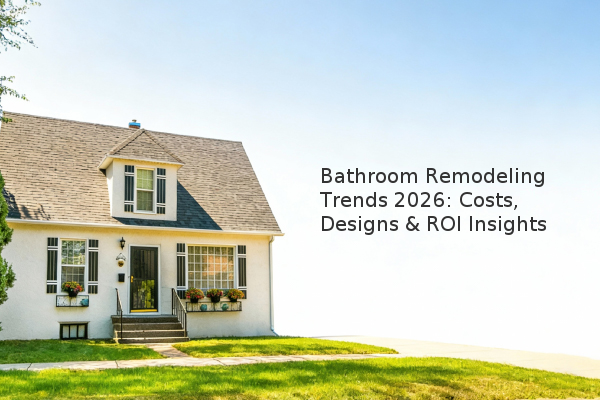
The national median spend for a primary bathroom remodel in 2026 is $9,000, with high-end projects reaching $35,000, as homeowners prioritize functional upgrades like larger showers and transitional designs that enhance both daily living and resale value. Based on our experience assessment, these investments remain strong despite economic fluctuations, supported by high home equity. Key trends include a continued move away from bathtubs, the integration of smart toilet features, and the use of plants for aesthetics and air quality.
Homeowners are allocating significant resources to bathroom updates, with spending seeing consistent annual increases. This trend is largely driven by a desire to improve functionality and update outdated styles, rather than simply coping with repairs. The primary motivation for a renovation is often that homeowners can no longer stand the existing style. High home equity provides the financial flexibility for these projects, allowing owners to invest in what they view as a personal sanctuary. While costs for materials and labor have risen, the return on investment in terms of personal enjoyment and potential property value increase is a key consideration.
The most sought-after functional change is undoubtedly the shower upgrade. In 2026, a significant majority of renovations include modifications to the shower area. A prevailing trend is the removal of the bathtub to expand the shower space, often by 25% or more. This shift is driven by practicality, as showers are seen as more functional for daily use. From a resale perspective, while few buyers consider a bathtub essential, an extensive, well-appointed shower is frequently a selling point. Additionally, this change can contribute to better water conservation depending on the fixtures installed.
Vanity upgrades are another critical component. Homeowners are selecting durable and aesthetically pleasing materials, with engineered quartz being a top choice for countertops due to its resilience. Shaker-style cabinetry remains dominant for its timeless appeal. Beyond storage, technology integration is rising, with features like bidets, heated seats, and self-cleaning functions becoming more common in mainstream bathroom design.
Current design preferences have moved decisively away from traditional and highly stylized themes like farmhouse. The clear frontrunner is transitional design, which blends traditional character with cleaner, modern lines. This style appeals to a broad range of tastes, making it a strategic choice for resale. It creates a space that feels updated but not sterile, often incorporating elements like a classic claw-foot tub alongside modern fixtures and a neutral color palette with strategic blue accents. This approach allows potential buyers to easily envision themselves in the space.
Decorative selections are focused on creating a fresh, clean, and calming environment. White continues to be the dominant color for walls, vanities, and countertops. Gray remains a popular accent, particularly for walls outside the shower. Blue is emerging as a strong accent color, chosen by a notable segment of homeowners for its serene qualities. Furthermore, the incorporation of indoor plants has become a standard finishing touch. The reasons are multifaceted: 88% of homeowners cite aesthetics, while 64% believe plants create a calming environment. A significant number also value their air-purifying qualities.
To maximize both satisfaction and potential return, focus on universally appealing improvements. Prioritize expanding the shower space if layout permits, as this is a high-impact functional upgrade. Selecting a transitional design style with a neutral base offers the widest appeal for future resale. When choosing materials, invest in quality for high-use items like vanities and countertops. Finally, consider incorporating smart, water-efficient fixtures and natural elements like plants to enhance the room's comfort and sustainability.
Bathroom remodels in 2026 are strategic investments centered on functionality, timeless design, and personal wellness. By focusing on these key areas, homeowners can create a space that serves their immediate needs while also protecting the long-term value of their property.