Browse

Log in / Register
 Share
Share
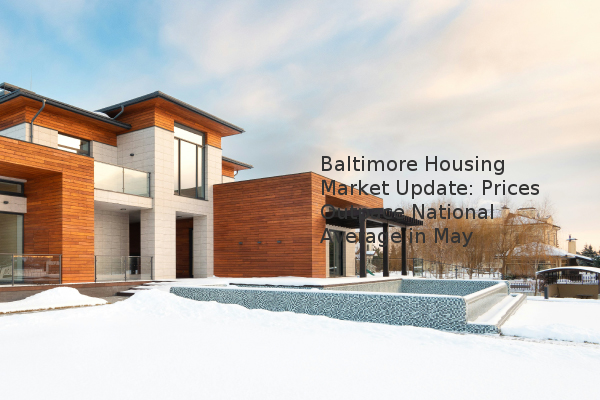
Baltimore's housing market showed steady price growth in May, with home values increasing at nearly double the national rate. The median listing price reached $249,900, while homes spent an average of 39 days on market—significantly faster than the U.S. average of 51 days. This analysis examines key metrics that every buyer and seller should understand when navigating Baltimore's current real estate landscape.
The median listing price (the middle point of all homes listed for sale) in Baltimore reached $249,900 in May, showing moderate growth from the previous month. More notably, the price per square foot increased by 0.9%—nearly double the national average increase of 0.5%. This indicates that Baltimore's market appreciation is outpacing broader national trends. Historically, Baltimore experiences seasonal price increases during spring months, and May's performance aligns with this pattern while demonstrating stronger growth compared to the national market.
| Metric | Baltimore, MD | National Average |
|---|---|---|
| Median Listing Price | $249,900 | $440,000 |
| Price Per Sq Ft Change | +0.9% | +0.5% |
| Monthly Inventory Change | +3.1% | +8.0% |
The number of homes for sale in Baltimore saw a modest increase in May. Active listings grew by 3.1% from April to 2,466 properties. However, this growth rate is slower than the typical seasonal surge and pales in comparison to the national inventory increase of 8.0% month-over-month. While inventory is up 37.7% compared to May of the previous year, the slower-than-average monthly growth suggests that new listing activity may not be keeping pace with buyer demand, contributing to competitive market conditions.
The speed of the market is a critical indicator of its temperature. In May, the average days on market (the number of days a listing is active before going under contract) in Baltimore was 39 days. This is three days longer than in April but two days faster than in May of the previous year. The most significant takeaway is that Baltimore homes are selling much faster than the U.S. median of 51 days. This faster pace indicates a more competitive local environment where well-priced homes in desirable neighborhoods can attract offers quickly.
What Does This Mean for Buyers and Sellers?
For sellers, the data presents a favorable environment. With prices rising faster than the national average and homes selling relatively quickly, it's a strong market for listing a property. However, the modest inventory growth means pricing your home competitively remains essential to attract buyers.
For buyers, the market requires preparation and decisiveness. The combination of rising prices and a faster-than-national sales pace means you should have your financing in order and be ready to act quickly when you find a suitable property. Understanding neighborhood-level trends will be crucial, as city-wide averages can mask hyper-local variations.
Based on our experience assessment, the Baltimore market in May favored sellers but still offered opportunities for prepared buyers. Monitoring these key metrics—listing price, inventory growth, and days on market—provides a data-driven foundation for any real estate decision.