Browse

Log in / Register
 Share
Share

Navigating Austin's real estate market requires a clear understanding of its postal codes, as each code corresponds to distinct neighborhoods with varying property types, amenities, and price points. In 2026, the median home price across Austin's key postal codes shows significant variation, from over $1.2 million in 78703 to around $450,000 in 78753, making postal code analysis a critical first step for any home buyer or seller. This guide provides a detailed map and breakdown of Austin's major postal codes to help you make an informed decision based on current market data.
An Austin postal code, more commonly referred to as a ZIP code, is a numerical code used by the United States Postal Service to designate specific delivery routes. In real estate, these codes have become shorthand for defining neighborhoods and their associated market dynamics. For buyers, the postal code can influence property taxes, which are calculated based on local tax rates and appraised values. For sellers, understanding the postal code's profile helps in accurately pricing a home to compete effectively within its immediate micro-market. This granular approach is essential in a diverse and sprawling city like Austin.
Austin's core is often defined by postal codes circling downtown and extending outward. Here’s a look at some of the most prominent codes and their general locations:
The following table illustrates the stark contrast in housing costs between these areas based on 2026 market data.
| Austin Postal Code | Representative Neighborhoods | Median Home Price (2026) | Primary Housing Type |
|---|---|---|---|
| 78703 | Clarksville, Tarrytown | $1,250,000 | Single-Family Homes |
| 78704 | Bouldin Creek, Travis Heights | $875,000 | Bungalows, Modern Builds |
| 78701 | Downtown | $750,000 | Condos, High-Rises |
| 78705 | Hyde Park, Hancock | $725,000 | Historic Homes, Bungalows |
| 78721 | East Austin | $650,000 | Mix of Old & New Construction |
| 78753 | Northeast Austin | $450,000 | Suburban Single-Family Homes |
Once you've identified a postal code of interest, you can dig deeper into its specifics. Start by researching school districts, as they are a major driver of property values even for buyers without children. The Austin Independent School District (AISD) provides ratings for each campus. Next, investigate property tax rates, as they can vary and significantly impact your monthly mortgage payment. Finally, use the postal code as a filter on real estate platforms to get a feel for the types of properties currently available and their days on market, which indicates demand.
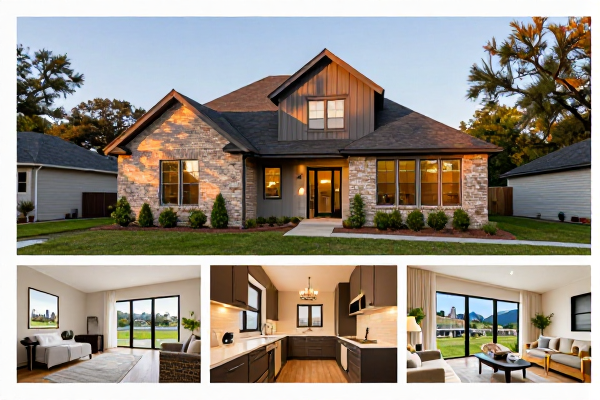
While price data is quantitative, the qualitative feel of a neighborhood is equally important. Each Austin postal code boasts a unique character. For instance, 78704 is known for its vibrant music scene and eclectic dining, appealing to a younger demographic. In contrast, 78703 offers a more established, quiet atmosphere with larger lots and top-rated schools, attracting families. We recommend visiting your preferred postal codes at different times of the day to experience traffic patterns, noise levels, and community activity firsthand before making a decision.
To effectively navigate the Austin housing market: use postal codes to narrow your search, analyze price trends within each code, and always visit neighborhoods in person. This combined strategy ensures your real estate decision is based on both solid data and personal fit, positioning you for success in 2026.