Browse

Log in / Register
 Share

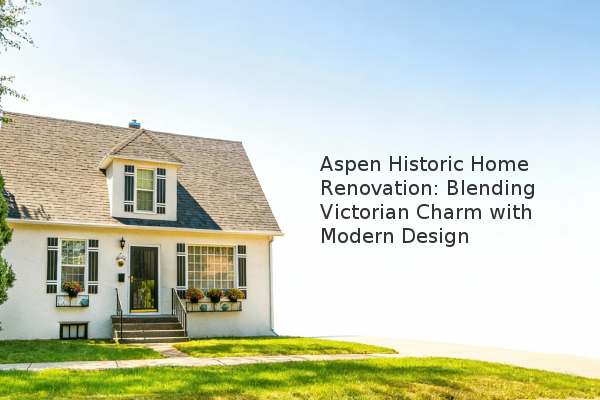
A successful historic home renovation seamlessly blends period character with contemporary comfort, significantly enhancing property value. This is exemplified by a transformed 1888 Victorian farmhouse in Aspen's West End, where design choices like masterful glass transitions and open floor plans created a unique, marketable property. For homeowners, the key takeaway is that respecting historical integrity while modernizing livability is a proven path to maximizing a real estate investment.
A successful renovation goes beyond mere updates; it involves a respectful integration of old and new. The goal is adaptive reuse, a design approach that repurposes an old structure for modern living without erasing its history. Key indicators of success include preserving original architectural details, such as foundational "bones," while introducing contemporary elements that improve functionality and light. In the case of the Aspen property, the design team maintained the home's historical essence but incorporated sleek, modern lines and expansive windows. This approach resulted in a harmonious balance, making a 125-year-old property feel fresh and vibrant rather than outdated. The renovation demonstrates that the highest value is created not by stripping away history, but by weaving it into a new, practical narrative.
Introducing modern design to a historic property directly addresses buyer expectations for light, space, and flow, which are critical drivers of value in today's real estate market. The strategic use of materials like glass can transform the interior experience. For example, "invisible" staircase railings and large windows serve a dual purpose: they flood the home with natural light and maintain visual privacy, a combination highly prized by buyers. This design strategy makes the living space feel larger, more connected to the outdoors, and energetically efficient. Based on our experience assessment, such upgrades—particularly those that enhance light and spatial perception—can significantly increase buyer interest and justify a premium asking price, as seen with the home's listing at $8.9 million.
Embarking on a major renovation requires careful planning and a clear vision. The most important first step is assembling the right design team with proven experience in adaptive reuse projects. The homeowners of the Aspen property found success by selecting designers known for visionary work, which was crucial for navigating the challenges of updating a historic structure. Furthermore, homeowners should thoughtfully consider the interior decor. A fully furnished and painstakingly decorated home, featuring custom drapery and unique, eclectic finds, can create a powerful emotional connection for potential buyers, making the property memorable and distinctive. However, this requires a significant investment of time and resources.
In conclusion, the strategic renovation of a historic home is a powerful method to unlock significant equity. The process demands a focus on blending historical charm with modern comfort, leveraging smart design choices like glass transitions to maximize light, and collaborating with a skilled design team. For those considering a similar project, the potential for a substantial return on investment is clear when the renovation is executed with a clear, coherent vision that respects the past while embracing the present.