Browse

Log in / Register
 Share

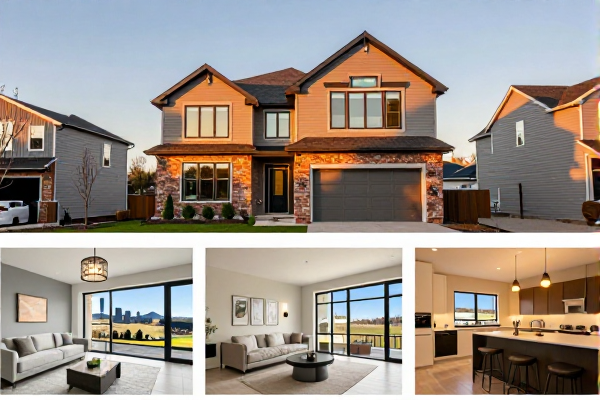
In 2026, the Arvada, Colorado real estate market remains highly competitive, characterized by steady demand and rising home values driven by the city's prime location, strong community amenities, and sustained growth. Based on our experience assessment, the median home price in Arvada is projected to be approximately $650,000, reflecting a resilient market that continues to attract families and professionals seeking a balance of suburban tranquility and urban access. This guide provides an objective analysis of current trends, neighborhood dynamics, and key considerations for navigating the Arvada housing landscape this year.
The Arvada market in 2026 is defined by low inventory and swift sales. The average days on market (DOM) for a single-family home is around 18 days, indicating strong buyer demand. A significant trend is the continued interest in properties offering modern updates and energy-efficient features. The following table illustrates the approximate price distribution based on recent market data:
| Property Type | Median Price (2026) | Key Characteristic |
|---|---|---|
| Single-Family Home | $650,000 | High demand for updated homes in established neighborhoods. |
| Townhouse/Condo | $425,000 | Attractive option for first-time buyers seeking lower maintenance. |
| Luxury Homes ($1M+) | $1,250,000 | Steady market segment, often featuring larger lots and premium finishes. |
This data, reflective of broader metro Denver trends, underscores the importance of being prepared with financing and a competitive offer strategy.
Arvada's diverse neighborhoods each offer distinct advantages. Olde Town Arvada is a historic district known for its walkability, unique shops, and dining, appealing to those who desire a vibrant, community-centric atmosphere. In contrast, Candelas, a master-planned community in northwest Arvada, features newer construction, extensive trails, and community amenities like pools and parks, catering to families. The Leyden Rock area also continues to grow, offering modern homes with mountain views. Value is subjective, but neighborhoods with access to the Regional Transportation District (RTD) light rail line, providing a direct commute to Denver, consistently maintain strong property values.
Several key factors are impacting Arvada's home values. The city's property tax rate, which is an ad valorem tax based on a percentage of a home's assessed value, remains a consideration for long-term affordability. Furthermore, Arvada's highly-rated Jefferson County R-1 School District is a significant draw for families, supporting home values across its catchment areas. Broader economic conditions, including mortgage interest rates and employment stability in the Denver metropolitan area, also play a crucial role. The demand for housing continues to outpace supply, creating a sustained upward pressure on prices.

For buyers, securing pre-approval for a mortgage is more critical than ever in a competitive market. It’s also advisable to work with an agent who has deep local experience to identify off-market opportunities. For sellers, home staging and strategic pricing based on a Comparative Market Analysis (CMA) are essential to attract serious offers quickly. Both parties should understand the role of title insurance, which protects against ownership disputes and is a standard part of real estate transactions in Colorado.
Navigating the Arvada CO market in 2026 requires a clear understanding of its competitive dynamics and neighborhood-specific values. For buyers, securing financing and acting decisively is paramount. For sellers, accurate pricing and presentation are key to a successful sale. The city's enduring appeal ensures that real estate here remains a solid long-term consideration.