Browse

Log in / Register
 Share

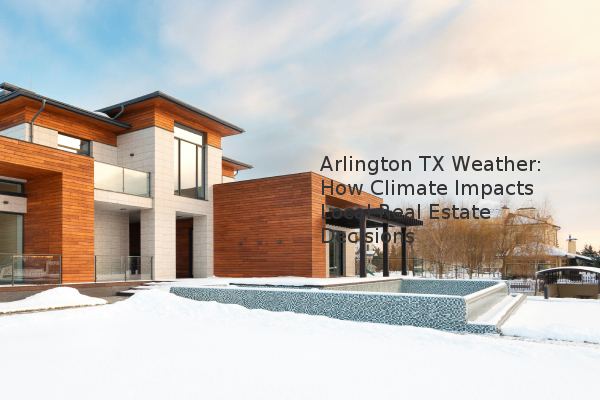
Arlington, Texas, experiences a humid subtropical climate characterized by hot summers and mild winters, which directly influences local real estate values, property maintenance costs, and seasonal market activity. For potential buyers and sellers, understanding these weather patterns is crucial for making informed financial decisions and protecting their investment. The city's climate contributes to specific considerations for home construction, energy efficiency, and landscaping, directly affecting long-term property ownership costs.
How Does Arlington's Summer Heat Affect Home Maintenance? Arlington's summers are long and hot, with average high temperatures frequently exceeding 95 degrees Fahrenheit from June through August. This intense heat can strain a home's HVAC system, leading to higher electricity bills and more frequent maintenance requirements. When evaluating a property, it is wise to check the age and efficiency of the air conditioning unit. Homes with modern, energy-efficient HVAC systems and adequate attic insulation are better equipped to handle the summer heat, resulting in lower utility costs. Prolonged sun exposure can also cause fading on exterior paint and roofing materials, making the quality of these components a key inspection point.
What is the Impact of Seasonal Storms and Precipitation? The area receives an average annual rainfall of approximately 39 inches, with peak precipitation often occurring during the spring storm season. Arlington is located in a region susceptible to severe weather, including heavy thunderstorms and the potential for hail. Properties with mature trees should be inspected for root systems that could threaten foundation integrity and for limbs that could fall during high winds. Additionally, ensuring proper gutter function and yard drainage is essential to prevent water intrusion into basements or crawl spaces. A thorough inspection for past water damage is a critical step before purchasing.
Are There Advantages to Buying a Home in Arlington During Specific Seasons? The local real estate market exhibits slight seasonal trends influenced by weather. The spring and early summer months typically see the highest volume of listings, aligning with comfortable temperatures before the peak summer heat. However, competition among buyers can be fiercer. The late fall and winter months may offer less inventory but also less competition, potentially providing more negotiation leverage for buyers. Sellers can benefit from listing in the spring when curb appeal is at its peak, but preparing a home for sale in the winter requires attention to ensuring the property looks warm and inviting despite dormant landscaping.
Practical Advice for Homeowners and Buyers in Arlington's Climate Based on our experience assessment, prospective buyers should prioritize a professional inspection that pays close attention to weather-related wear and tear. Key considerations include: