Browse

Log in / Register
 Share
Share

Ever rummaged through your grandpa's old coin jar, half expecting to strike gold? Or maybe you've stumbled upon a hefty half dollar while digging through your couch cushions and wondered, "Are US half dollar coins worth anything beyond their face value?" The answer, as it often does, lies in the fascinating details. It's not always as simple as "yes" or "no." So, let's dive into the world of half dollars and discover what makes some of these hefty coins real treasures.
The half dollar, affectionately (sometimes) known as the "half" or 50-cent piece, has been a staple of US coinage for ages. But, let's be real, when was the last time you saw one jingling around in someone's pocket? They aren't exactly common currency anymore.
But that rarity is where the potential value comes in. You see, determining whether your half dollar is just, well, half a dollar or something significantly more valuable requires a keen eye and a little bit of knowledge. Several factors come into play, including the coin's year, mint mark, condition, and even its metal composition. We're talking detective work, people! Let's break down the key elements that make a half dollar worth more than just fifty cents.
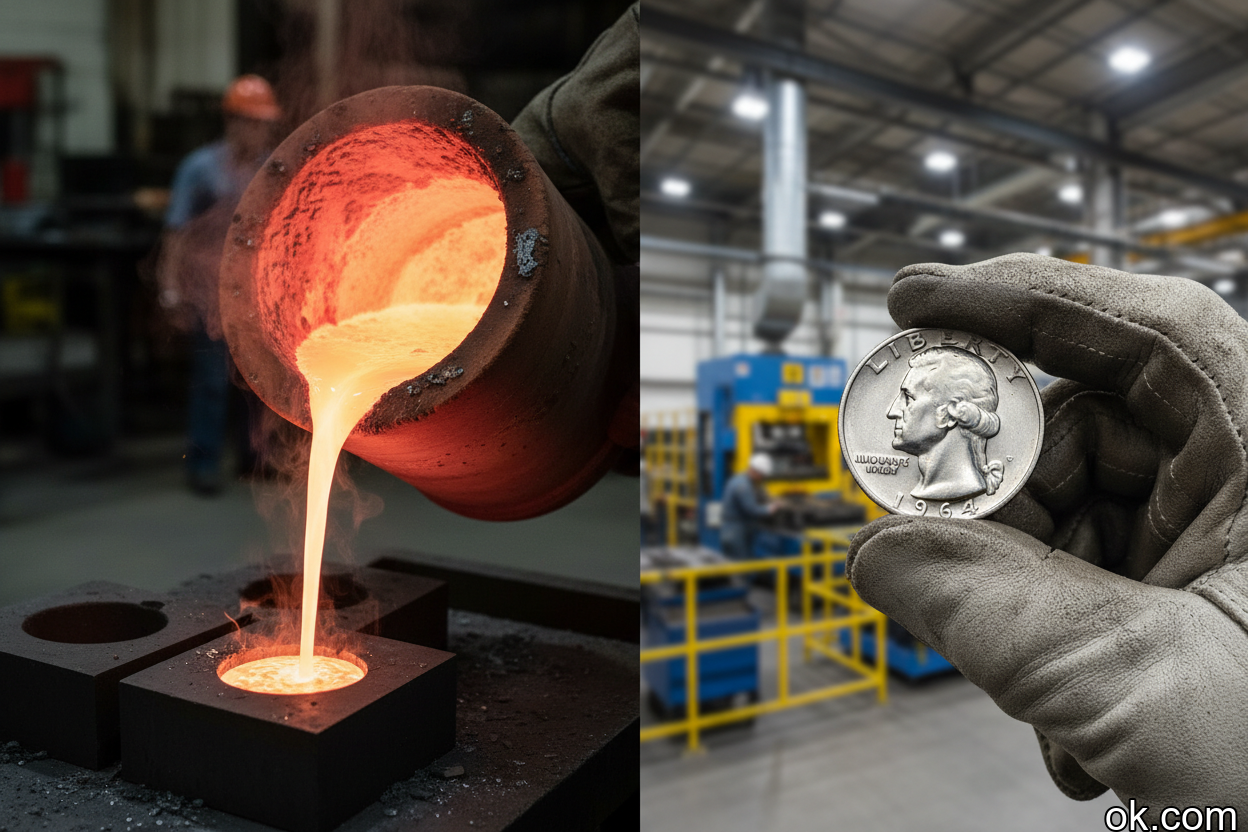
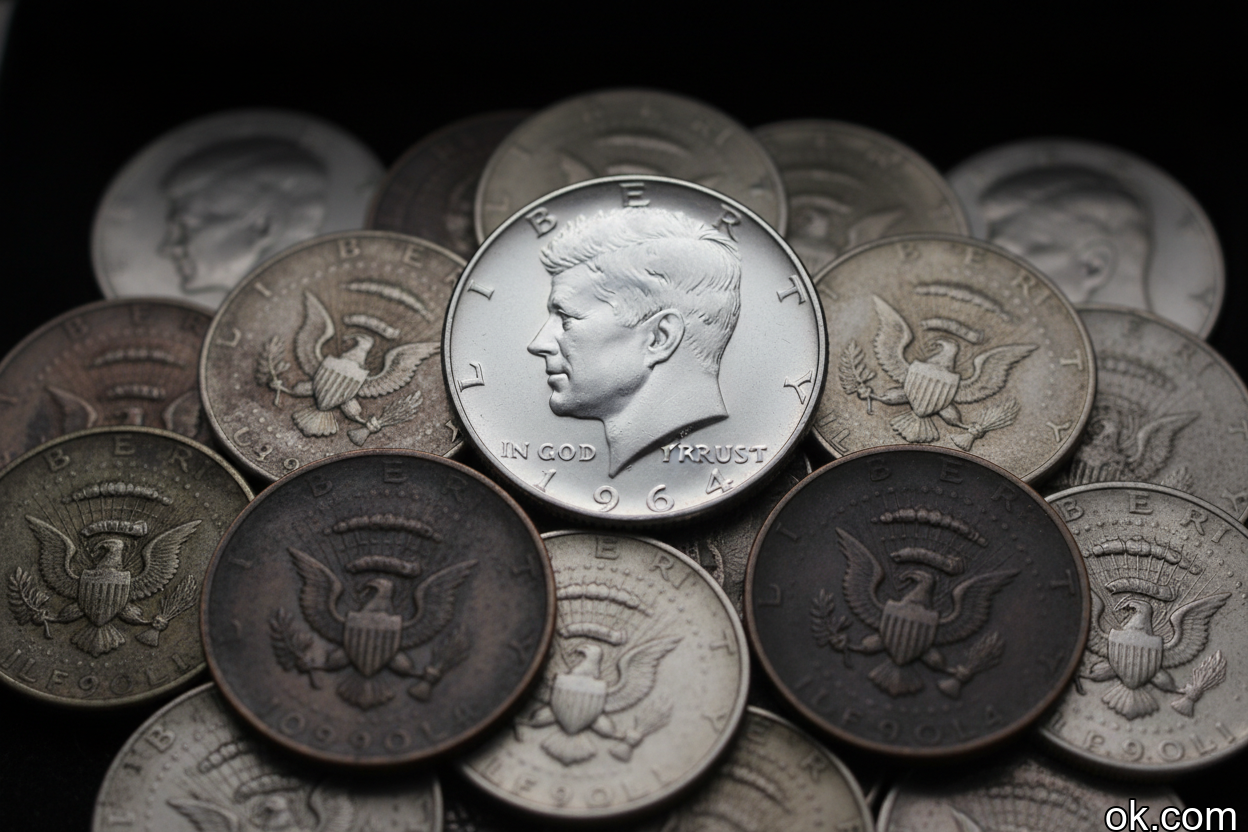
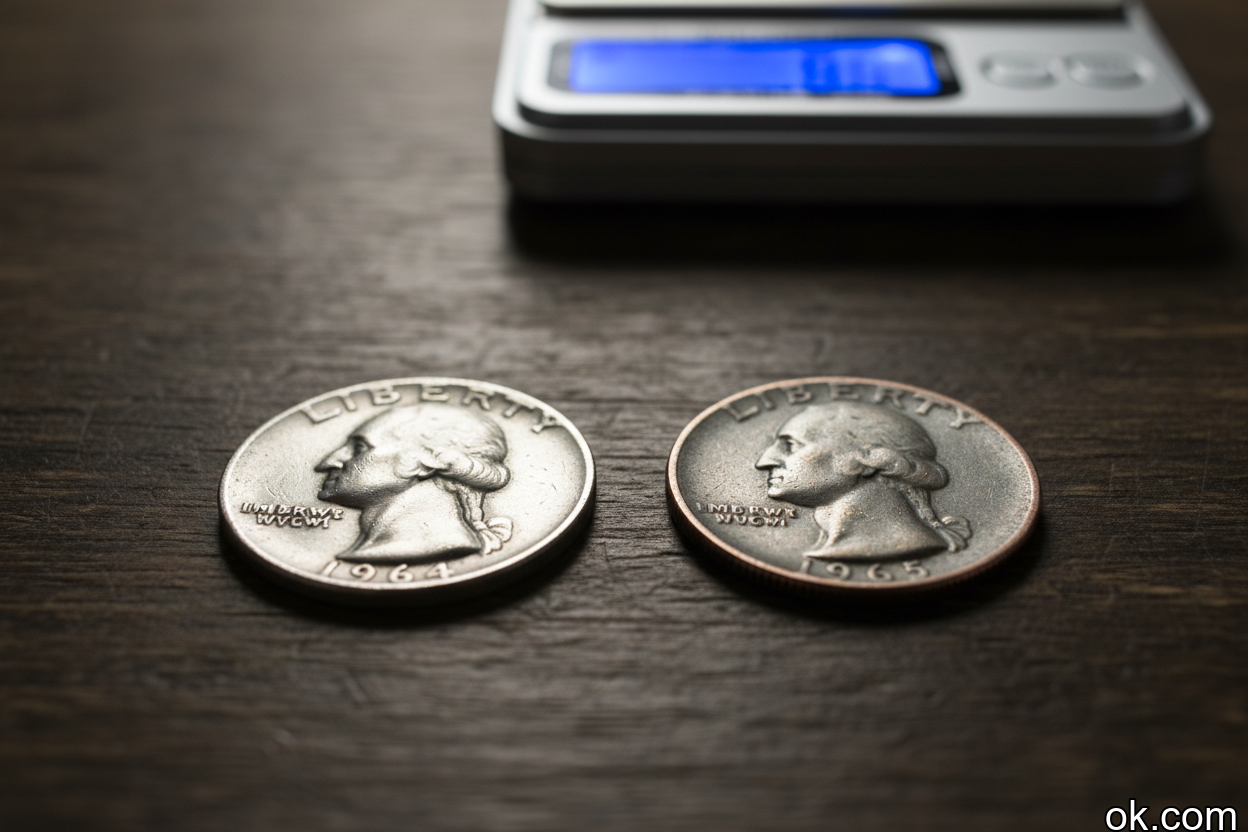
The first place to start when figuring out if US half dollar coins are worth anything is their metallic composition. This is HUGE. Not all half dollars are created equal. Prior to 1965, half dollars were composed of 90% silver, giving them significant intrinsic value. Think melt value. The 1964 half dollars? They're 90% silver. As one online forum user pointed out, these coins have a melt value of around $12.20. That's a massive jump from its face value! Not bad for finding something in your couch, right?
The plot thickens: From 1965 to 1970, the half dollar's silver content was reduced to 40%. These coins, while not as valuable as their 90% silver predecessors, still contain a decent amount of the precious metal. A 1967 or 1968 half dollar is roughly 40% silver. That’s about $5 melt value. Still… better than 50 cents!
After 1970, half dollars were primarily made from a copper-nickel clad composition, meaning their intrinsic value is generally equivalent to their face value… unless they are in pristine condition or are a rare error coin. Which brings us to our next point...
Okay, so maybe your half dollar isn't brimming with silver. Don't lose hope! Rarity plays a huge role in determining a coin's value. Specific dates and mint marks can significantly increase a coin's worth, even if it lacks precious metal content.
Think of it like this: some baseball cards are worth more than others. It all boils down to supply and demand, combined with historical significance or perhaps a printing error that makes it unique.
For example, some half dollars from the early 20th century, particularly those with low mintage numbers or unique mint marks, can fetch hundreds or even thousands of dollars. Certain Kennedy half dollars, especially those with errors, are incredibly collectible. Even seemingly small variations, like a doubled die obverse (where the image appears to be struck twice), can send a coin's value soaring.
But how do you identify these rarities? Start by researching key dates and mint marks. Coin collecting guides (both online and in print) are your best friends here. Pay close attention to the coin's condition. An uncirculated coin (one that shows no signs of wear) will always be worth more than a worn and damaged coin. I can't stress this enough: condition is king!
Even if your half dollar lacks significant silver content or a rare date, its condition and overall collectibility can still make it valuable. This is where the world of numismatics (coin collecting) really gets interesting.
Professional coin grading services, like PCGS and NGC, assign grades to coins based on their condition, ranging from Poor (barely identifiable) to Mint State (perfect, uncirculated condition). A high grade can dramatically increase a coin's value, especially for already desirable issues.
Consider the 1981 half dollar. A regular 1981 half dollar isn’t made of silver. It’s just a half dollar. However, a pristine, uncirculated 1981 half dollar may be worth more to a collector seeking to complete a set.
Furthermore, some half dollars are simply popular among collectors due to their historical significance, artistic design, or unique characteristics. The Kennedy half dollar, for example, is widely collected, and certain issues are highly sought after. The Bicentennial half dollar (1776-1976) is another popular example, although most circulated examples are only worth face value.
So, are US half dollar coins worth anything? The answer is a resounding it depends. Are you going to retire off a random half dollar you find? Probably not. But with a little research and careful examination, you might just uncover a hidden treasure lurking in your spare change.
The key takeaways? Check the date and mint mark. Determine the metal content. Assess the condition. And, most importantly, do your homework! Don't just assume that any old half dollar is only worth 50 cents.
Want to find out how much your half dollars are really worth? I highly recommend consulting with a reputable coin dealer or submitting your coins to a professional grading service. They can provide an accurate assessment of their value and help you make informed decisions about selling or collecting. Who knows? You might just be sitting on a small fortune. So, go dig through those coin jars! Happy hunting!