Browse

Log in / Register
 Share

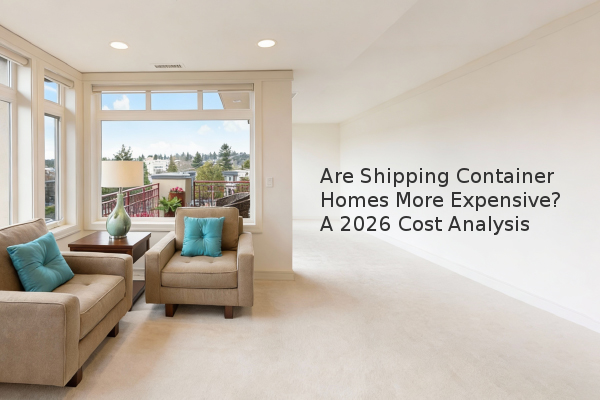
While the industrial-chic aesthetic of shipping container homes is popular, they often come with a higher price tag than traditional construction. Based on industry assessments, building a custom shipping container home can cost 10% to 20% more per square foot than a standard wood-frame house. This initial expense is driven by specialized labor, unique material challenges, and customization. However, prefabricated models can offer savings, and long-term durability may reduce maintenance costs.
The primary reason for the higher cost is the specialized work required. The corrugated steel—the ridged metal that forms the container's walls—is difficult to modify. Standard home construction uses common tools, but working with steel requires specialized equipment like welders and cranes, which increases labor expenses. Furthermore, the entire process, from cutting windows and doors to reinforcing the structure after modifications, demands a higher level of skill.
A critical and often expensive step is installing proper insulation. Since metal is a conductor of heat, an uninsulated container home would be extremely hot in summer and cold in winter. Effective insulation often requires building an interior frame within the container, which reduces livable space and adds significant material and labor costs. Proper ventilation systems are also essential to prevent condensation, another factor that adds to the overall project budget.
For buyers focused on budget, prefabricated or factory-built models present a more cost-effective path. Companies that operate like an assembly line can retrofit multiple containers simultaneously, standardizing processes to minimize waste and reduce the need for highly specialized on-site labor. This efficiency can lead to significant savings compared to a fully custom, architect-designed project.
Some manufacturers estimate that their prefabricated homes can cost 25% to 30% less than a comparable custom container home or even a traditional build. Clients can often choose from a set of pre-designed layouts and make minor tweaks, balancing personalization with affordability. This approach is best for those seeking a modern, eco-friendly home without the premium price tag of a one-of-a-kind architectural project.
The decision to build with shipping containers is often an investment in durability. Steel-framed structures are inherently resistant to common threats like termites, mold, and fire. This resilience can lead to lower insurance premiums and eliminates the cost of treatments and repairs associated with wood-frame homes. Over the lifespan of the building, these avoided maintenance expenses can offset a portion of the higher initial construction cost.
The potential for a longer building lifespan is a key financial consideration. While the upfront cost is a significant factor, the reduced long-term maintenance and increased structural longevity contribute to the total cost of ownership. Homeowners should weigh the immediate budget against these potential future savings when making their decision.
In summary, the cost of a shipping container home is not a simple calculation. Key takeaways include: